






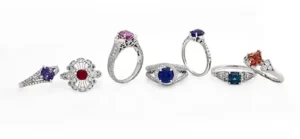

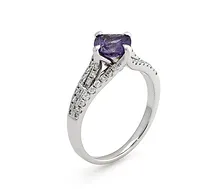
Antique Jewelry, Restored and Ready to Wear
Explore the antique and vintage jewelry in our Federal Way estate cases, learn how to tell one era from the next, and book a visit with our accredited gemologist and GIA-trained team. Shop Antique JewelrySchedule AppointmentOur antique and vintage collection has been curated since 2016 by Brandon Jenkins Moak, an accredited gemologist, and our GIA-trained team.



Trusted by Our Federal Way Community


A Resource for All Things Antique Jewelry
Antique jewelry carries the work of the people who made it and the people who wore it. This page brings together what we know: how to tell the eras apart, how to choose a piece, how to care for it, and what to do if one has been handed down to you. Browse the collection, read the articles, or come see it in person.
Find the Right Antique Piece
In our cases, antique and vintage jewelry covers the named design eras, from Georgian pieces through the Mid Century Modern movement. Anything newer than 1975 we sell as modern estate or pre-owned. Jewelry from before 1800 is exceptionally rare and fragile, so we rarely offer it.
Every era has its own look. Georgian pieces are sentimental and hand made, Victorian jewelry is full of halos, pearls and lockets, Art Nouveau and Edwardian jewelry moves from flowers to platinum lace, and Art Deco is bold and geometric. Our eras guide explains each one.
Not sure where to start? Our guide to selecting vintage and antique jewelry walks through what to look at, and the old mine cut vs. old European cut diamond article helps you read an antique diamond.
Every antique we sell is inspected and restored by our master goldsmiths before it is offered, and it is backed by our warranty. You are welcome to stop in and see the pieces yourself.
Shop Antique Jewelry
-

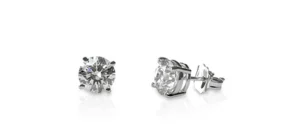
Old European Cut Diamond Stud Earrings- Platinum
$2,775 -
Vintage Gold Photo Locket with Intricate Ribbed Details
$795 -
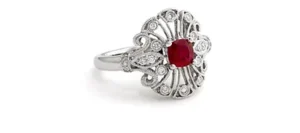
Edwardian Princess Ring with Old European Cut Diamonds
-
Antique Rose Cut Diamond Solitaire Engagement Ring in Rose Gold
-
Classic Diamond Three-Stone Ring Estate Deal
-
Top Quality Art Deco Royal Blue Sapphire Engagement Ring


Care and Restoration
Antique Jewelry Repair
Antique pieces were made by hand, and they show it. Our master goldsmiths repair, reinforce and restore antique jewelry with its age in mind, and restorations include our 1-year warranty. Our guides to caring for antique jewelry at home and reinforcing heirloom pieces are a good place to start.
Appraisal and Estate Advising
Heirlooms, Estates and Inherited Jewelry
If a piece came to you through family, we can help you understand it. Our GIA-trained staff identify and authenticate antique jewelry, and Brandon Jenkins Moak is an accredited gemologist and qualified appraiser. Verbal identification while you wait is typically at no charge, and written appraisals are available.

Antiques Meant to Last
An antique has already survived a hundred years or more of wear. Our job is to make sure it is ready for the next stretch, and to tell you honestly what you are buying.
- Inspected and restored by our master goldsmiths before sale
- Backed by our 1-year warranty
- Straight answers about condition, including normal signs of age
- Expert identification from an accredited gemologist and GIA-trained staff
Shop Antique Jewelry by Type


Walk-in browsing is always welcome. We are at 1810 S. 320th St., Suite B in Federal Way, next to Trader Joe’s and Crumbl Cookies, open Tuesday through Saturday, 10am to 6pm (last client at 5:45). For an unhurried look at specific pieces, or to talk about an heirloom, book a time and we will set it aside for you.
Your Guide to Antique Jewelry Eras
Georgian Jewelry
Victorian Jewelry
Halo rings, snake rings, lockets, mourning pieces and brooches. Diamonds often played a supporting role around a pearl, sapphire or ruby, and old mine cuts and rose cuts were common.
Art Nouveau and Edwardian
Art Nouveau 1890 to 1920, Edwardian 1900 to 1920. The two eras overlap. Art Nouveau looked to flowers, birds and flowing lines, often in pearls, enamel and colored gems. Edwardian jewelers moved to platinum and the round old European cut.
Art Deco Jewelry
1920 to 1935. Bold, geometric and symmetrical. White gold and the die-struck process made detailed filigree affordable, and Art Deco is one of our most requested eras.
Retro Jewelry
1935 to 1960. Wartime shortages pushed jewelers toward yellow and rose gold and the gems they could get. After the war, the look turned big, bold and curved, often called cocktail jewelry.
Mid Century Modern
1960 to 1975. Yellow gold returned and designs got bolder and more varied. Cast gold, diamond cluster cocktail rings and large colored stone rings were popular, and more women designed and bought jewelry.

Antique Jewelry Advice and Inspiration
Our team writes about the things clients ask us most: how to tell eras apart, how to wear antique pieces, how to care for them, and what to do with jewelry you have inherited. Start with the articles below.
Old Mine Cut vs Old European Cut Diamonds: How to Tell the Difference
Vintage and Antique Jewelry: Eras and Periods
Selecting Vintage and Antique Jewelry
The Do's and Don'ts of Caring for Antique Jewelry at Home
How to Style Antique Jewelry for Modern Outfits
Antique Ring Boxes and Vintage Jewelry Cases
Best Practices for Repairing and Reinforcing Heirloom Pieces
Wearing a Stranger's Story: How to Connect with Estate Jewelry's Past
Schedule an Antique Jewelry Appointment
Tell us what you would like to see, or what you have inherited, and we will set aside time with our team. Walk-ins are always welcome, and we are open Tuesday through Saturday, 10am to 6pm. We will contact you within 48 hours to confirm your appointment.