
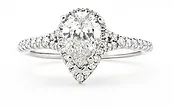
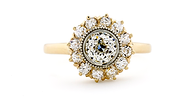
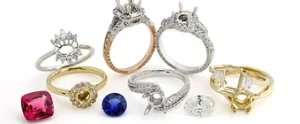

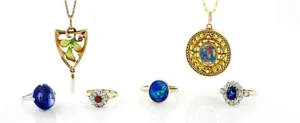
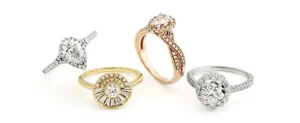

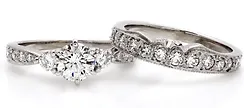




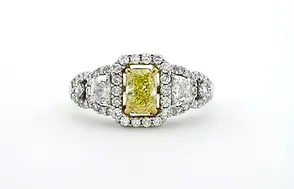
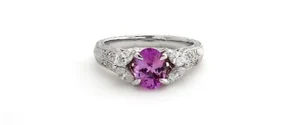
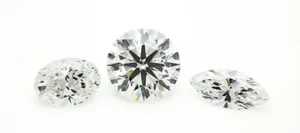

Antique engagement rings have a look that is hard to find anywhere else. The diamonds were cut by hand, the settings were finished by hand, and each ring has already been part of someone’s story.
That history is a big part of the appeal, but it also means an antique ring deserves a closer look than a new one. Age, earlier repairs and the way a ring was made all affect how it will wear.
Here is what to know before you buy: what makes a ring antique, what to inspect, when it can be resized, and when an antique stone belongs in a new setting.
Quick Answer: What Should You Know Before Buying an Antique Engagement Ring?
An antique engagement ring is generally at least 100 years old, which is different from a new ring made in a vintage style. Before you buy, check the prongs, the band and the stones for wear, ask whether the center stone is original to the ring, and find out whether it can be resized.
Buy from a jeweler who inspects and restores antiques before selling them, and who can size and repair the ring after you take it home.
What Makes an Engagement Ring Antique?
“Antique” usually means a piece is at least 100 years old. “Vintage” is a looser word and often describes jewelry that is a few decades old.
Today, that puts Georgian, Victorian, Art Nouveau and Edwardian rings, along with the earliest Art Deco rings from the 1920s, in the antique group. In our case, we use the named design eras from Georgian through Mid Century Modern, and we sell anything newer than 1975 as modern estate or pre-owned. When a ring does not fit a named era, we give it a circa date within 10 years.
Our Antique Jewelry Guide covers each of these eras in more detail.
Antique, Vintage, or Vintage-Style?
A vintage-style ring is newly made to look like an older design. Our vintage-style engagement rings article explains why some couples choose one: it can be made in any size, metal and center stone.
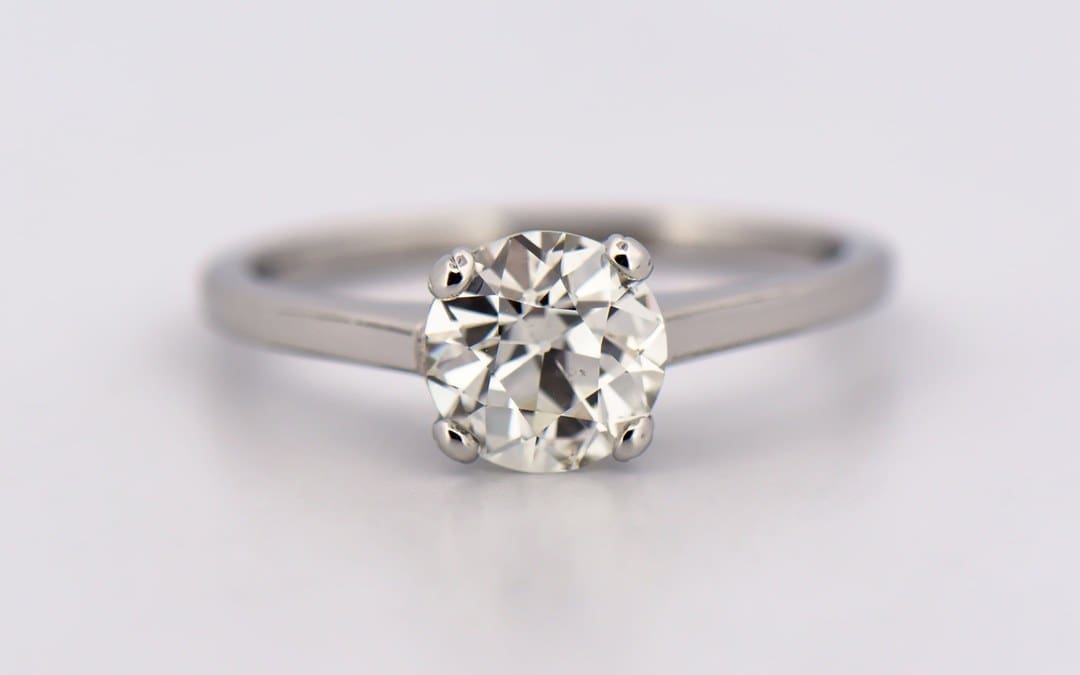
An antique ring is the real thing. Look for signs of handwork, such as hand-cut diamonds with broad facets and details that are not perfectly even. Expect some normal signs of age, like light prong wear or small scuffs.
It also helps to know that antique rings come in two kinds. Some are “originals,” with the original gems in their original mountings. Others are “hybrids,” with a newer gemstone set in an original antique mounting. Both can be beautiful. Just ask which one you are looking at.
Antique Ring Eras at a Glance
Each era has its own look. Our guide to antique jewelry eras goes deeper, but here is a quick start:
- Georgian (1715 to 1830): very rare today. Rose cut diamonds were common, and some stones were set in closed backs with foil.
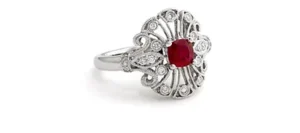
- Victorian (1830 to 1900): halo rings where diamonds often surround a pearl, sapphire or ruby. Old mine cuts and rose cuts were common.
- Art Nouveau and Edwardian (1890 to 1920): flowing, nature-inspired designs, and the move to platinum with lacy filigree and the round old European cut.
- Art Deco (1920 to 1935): bold, geometric and symmetrical, with detailed filigree.
Not sure which cut you are looking at? Our article on old mine cut vs. old European cut diamonds shows how to tell them apart.
See Antique Engagement Rings in Person
Photos only show so much. An antique ring is easiest to judge when you can see it on your hand and in different light.
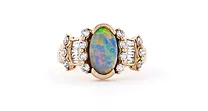
Our antique and vintage rings include Victorian, Edwardian and Art Deco designs with old European cut, old mine cut and rose cut diamonds. You can also browse antique and vintage engagement rings in our online shop.
What to Inspect Before You Buy
A good jeweler will check all of this for you under magnification, but it helps to know what matters.
The Prongs and Setting
Prongs hold the stones in place, and they wear down over time. Look for prongs that are thin, flat, bent or uneven. A slightly worn prong is normal on an older ring and can be retipped. A cracked gallery, the metal structure under the stone, is a bigger problem.
The Band
The bottom of the band, called the shank, takes the most wear. A slightly thin shank does not have to rule a ring out, as long as you expect a repair in a few years. A band that is very thin or cracked will need work sooner.
The Stones
Old mine cut diamonds often have a very thin girdle, the outer edge of the stone, which makes them easier to chip. Look for chips, abrasions and stones that move in their settings. Old cut diamonds also do not receive a GIA cut grade the way modern round brilliants do, so judge them by how they look to you.
Earlier Repairs
Many antique rings have been sized or repaired before. Ask what work has been done. At FWCJ, every antique is inspected by our master goldsmiths, any needed repairs are done before it goes on sale, and it is backed by our 1-year warranty.
If you are unsure what a ring is, we offer identification and appraisal to help you understand it.
Can an Antique Engagement Ring Be Resized?
Often, yes. Most rings can be sized about one to two sizes in either direction. Many Victorian and Art Deco rings were made in small sizes, so sizing up is a common request.
Some antique rings should not be sized, though. Rings with stones all the way around the band, or with unusual designs that could be damaged, may need another approach. Even then, a complex ring can often be sized carefully or remounted at the right size.
Any vintage ring we sell comes with one free sizing. Our master goldsmiths also handle ring resizing and repair for antique rings you already own.
Buying a Finished Ring or Remounting an Antique Stone
If the original ring is in good shape, keeping it intact preserves its history. The setting was often made for that exact stone.
A new setting can make sense when the original mounting is worn beyond a sound repair, or when you love an antique diamond but want a different look. Through custom design, we can remount a sentimental diamond in a new setting. Before any remount, the stone should be checked for chips, and the new setting should protect its girdle all the way around.
Once your ring is home, have the prongs checked regularly and follow our guide to caring for antique jewelry at home.
Looking for an Antique Engagement Ring?
Whether you are shopping for an antique engagement ring, thinking about resetting a family stone, or wondering whether a ring you love can be sized, the team at Federal Way Custom Jewelers can help you weigh your options.
Our GIA-trained staff and master goldsmiths have helped clients in Federal Way and the greater Seattle area since 1955. Walk-ins are welcome, and appointments are preferred. We are open Tuesday through Saturday, 10am to 6pm. Call us at 253-839-7389 or book a visit.
Frequently Asked Questions About Antique Engagement Rings
What is the difference between an antique engagement ring and a vintage-style ring?
An antique engagement ring was made at least 100 years ago. A vintage-style ring is newly made to look like an older design. Antique rings offer real history and hand-cut stones, while vintage-style rings can be made in any size, metal and stone.
Can an antique engagement ring be resized?
Often, yes. Most rings can be sized about one to two sizes in either direction. Rings with stones all the way around or with delicate designs may need another approach, such as remounting. A jeweler should inspect the ring first.
What should I inspect before buying an antique ring?
Check the prongs for wear, the band for thinning or cracks, and the stones for chips or movement. Ask whether the center stone is original and what repairs have been done. A jeweler can check all of this under magnification.
Can FWCJ remount an antique stone in a new setting?
Yes. Through our custom design service, we can remount a sentimental or antique diamond in a new setting. The stone should be checked for chips first, and the new setting should protect its edge.