










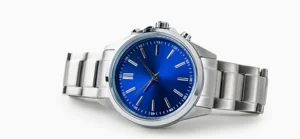











Vintage watch collectors know that the real work begins not when a timepiece is damaged, but after it’s been repaired. Once your watch returns from the bench, proper post-repair care determines how well it performs and how long it lasts. This checklist helps you maintain accuracy, preserve value, and protect the craftsmanship behind your vintage investment.
Why Post-Repair Care Matters
Mechanical watches, especially older ones, need time to settle after repair. Lubricants must be distributed evenly, components must seat properly, and the movement must reestablish a consistent rhythm. Neglecting post-repair care can shorten service intervals, impact accuracy, and reduce the lifespan of vintage parts.
Inspecting Your Watch When You Get It Back
Before adding your watch back to your daily rotation, take time to evaluate its condition and function.
Confirm the Repair Work
Ask for a record of the work completed. A quality repair report should outline
- Movement servicing
- Replacement parts
- Adjustments performed
Documentation builds a maintenance history that increases the watch’s long-term value.
Check the Timekeeping
Observe the watch over several days. Compare its accuracy with a digital clock at consistent times. Minor variations are normal, but major deviations signal that the movement may still need adjustment.
Examine the Case and Crystal
Look for any scratches or marks that weren’t there before. A reputable repair service should return the case in the same or better condition.
Test Winding and Setting Functions
Rotate the crown gently. It should feel smooth when winding or setting the time and date. Any stiffness, grinding, or slipping indicates an issue.
The First 30 Days: What to Watch For
A freshly serviced vintage watch may require a brief break-in period. Pay close attention to changes in behavior.
Monitor Accuracy Daily
Mechanical movements settle over time. Check for
- Sudden loss or gain of minutes
- Inconsistency throughout the day
- Variations based on position (dial up, crown down, etc.)
Avoid Moisture and Shock
Even if the watch was pressure-tested, older gaskets and cases may still be vulnerable. Keep the watch away from
- Showers
- Pools
- Sudden temperature changes
Avoid high-impact activities like sports, yard work, or anything that causes vibration or shock.
Wear the Watch Regularly
A mechanical watch performs best when it runs consistently. Regular wear helps distribute oils and maintain stable amplitude in the movement.
Long-Term Care to Extend Watch Life
After the initial break-in phase, routine habits ensure your vintage watch stays in peak condition.
Wind Carefully
Manual-wind watches require daily attention. Wind at the same time each day and stop when resistance increases to avoid damaging the mainspring.
Rotate Your Watches
Give each piece periodic rest. This reduces wear on parts and extends the time between necessary servicing.
Store Properly
Use a watch box or soft pouch to prevent dust and moisture exposure. Keep the watch away from magnets, which can disrupt the movement’s accuracy.
Clean the Exterior
Wipe the case and crystal with a soft, lint-free cloth. Avoid excessive moisture or chemical cleaners that may damage the finish.
Track Maintenance History
Keep notes on
- Service dates
- Repairs performed
- Watchmaker contact information
This helps you maintain consistent care intervals and document the watch’s provenance.
When to Schedule Your Next Service
Most vintage watches need servicing every three to five years, but this can vary based on wear, environment, and the age of the movement. Service sooner if you notice
- Unusual noises
- Sudden accuracy changes
- Condensation under the crystal
- Difficulty winding or setting
Addressing issues early prevents damage to rare or irreplaceable parts.
Working With a Qualified Vintage Watchmaker
Not every watch repair shop specializes in older timepieces. Vintage movements require unique expertise, and modern techniques don’t always apply. When selecting a watchmaker, look for
- Experience with your brand and movement
- Access to authentic or high-quality replacement parts
- Transparent communication regarding repair options
A skilled watchmaker helps protect your investment and preserve its historical integrity.
Maintaining Your Vintage Watch for the Long Term
Post-repair care is part of responsible watch ownership. With a consistent checklist, you can protect accuracy, extend the lifespan of delicate components, and maintain your watch’s value for years to come. When you treat your vintage watch with long-term care in mind, it rewards you with reliability, character, and lasting craftsmanship.
Watch Care Questions Answered
How to look after a vintage watch?
- Wind gently and consistently to protect the mainspring
- Avoid water, moisture, and rapid temperature changes that affect older movements
- Keep the watch away from magnetic fields that can impact accuracy
- Store the watch in a padded case to prevent dust and humidity exposure
- Clean the exterior with a soft cloth only
- Schedule professional servicing every three to five years to maintain long-term performance
Is it worth repairing a vintage watch?
Yes. Repairing a vintage watch helps preserve its mechanical movement, protects its collectible value, and keeps the timepiece functioning for decades. A properly restored and maintained vintage watch often appreciates in value and offers reliability that modern reproductions can’t match.
At what age is a watch considered an antique?
Consult a certified gemologist or antique jewelry appraiser. They can determine value based on metal purity, gemstone quality, craftsmanship, and historical significance.