








Are you having an allergic reaction to your jewelry? Maybe you’ve developed a rash under your wedding ring? This blog will discuss the causes of jewelry allergies, how to prevent or resolve them, and offer more helpful tips.
What is a metal allergy?
A metal allergy occurs when your skin becomes irritated or inflamed after touching certain metals found in jewelry. This irritation can look like a red rash, itchy spots, or even small sores where the metal touches your skin. While not common, metal allergies seem to be increasing.
What metals are people allergic to?
A metal allergy is most likely to appear with costume jewelry, as it is made with pot metals; a mix of cheap, non-precious metals such as zinc, pewter, nickel, copper, and brass. These metals are more likely to cause allergic reactions than expensive metals like gold or silver.
Metal allergies can also occur with fine jewelry but reported metal allergies to precious metals are exceptionally rare. But these metals are rarely used in a pure form – they are too soft. Because of their softness, gold and silver are combined with other metals to strengthen them, a process called alloying. For example, sterling silver is mostly silver, but also contains small amounts of copper. When it comes to gold, 14k is about half gold, with the rest made of metals like silver, copper, or zinc. Most people who react to jewelry are actually allergic to these added metals, not to the gold or silver itself.
The most common allergy is to nickel, which is found in many cheap jewelry pieces and was added to gold and silver pieces, especially white gold, before the 1990s. The European Union banned the use of nickel in precious metal alloys in 1994, with most American manufacturers following suit. As such, you may encounter nickel in a vintage or antique piece, but most modern fine jewelry, whether European or American-made, is nickel-free. However, this becomes an issue when buying a piece online or on Etsy, where many pieces are made in India and China, where nickel is more common, and regulations are not as tightly enforced. We guarantee that the gold alloys used in our jewelry are nickel-free!
Are there other skin reactions that can look like metal allergies?
Yes! Metal allergies are quite rare, but skin irritation to jewelry is quite common. There are three common areas of concern:
- Ring rash is the number one issue we see; this is a red rash found underneath rings and bracelets. The most common cause of ring rash is a bacterial or fungal infection, caused by moist environments. So, if you regularly wash your hands but struggle to dry the area under your ring, that can become a prime environment for pathogens to grow, which can cause painful, itchy irritation. We also see people who react to cosmetics and chemicals that become trapped against the skin. Some people are allergic to a scent in a cosmetic, some are sensitive to the active ingredients in home-use chemicals, like soaps. These can get trapped between your ring and your skin, causing irritation.
- Many people have sensitive ears, and the area around their piercing will react to the earring. If you develop redness, scaly or rough areas, or swelling near your piercing, this is likely the cause. This is a reaction to the piercing itself, the irritation of the post in the piercing hole, etc.
- Sometimes people will notice a green mark left on their skin after wearing jewelry. Don’t worry, it’s not an allergic reaction— it’s just a stain left behind when metals like copper or brass react with sweat or moisture (this is an oxidation process, like the tarnish we see on silver or the green residue found on copper pans). It’s harmless and usually goes away after washing your hands.
What can you do to treat metal allergies or jewelry rash?
If you have a true metal allergy, the best thing you can do is avoid wearing metals or only wear hypoallergenic jewelry. See our list below of the best metal options for those with metal allergies.
In the meantime, treatment for a metal allergy or ring rash is very similar. Make sure to remove the offending piece of jewelry, then keep the area clean and dry. Avoid wearing your jewelry in the pool or shower, and make sure to dry your hands thoroughly after washing- we advise against wearing the jewelry until the irritated area heals. Treat the inflamed area with over-the-counter healing & moisturizing lotions and antibacterial ointments. If the problem persists, see a medical doctor for further treatment.
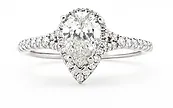
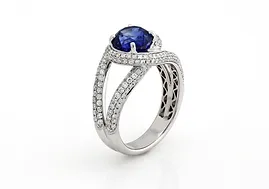
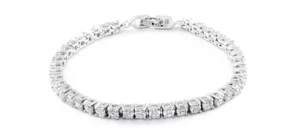
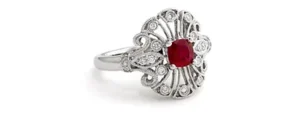
An intentional ring design can also help prevent jewelry wear issues and ring rash. For example, rings with solid shanks are best, since they do not trap moisture against the finger. Rings with hollow undersides, settings with many holes/openings under the gems, and wearing multiple rings on the same finger can all create opportunities for moisture and irritants to get trapped against your finger.
What are the best metals for metal allergies?
Most people don’t have true metal allergies, and if you do, you’re in luck, as the gold and silver jewelry we sell doesn’t contain nickel, which is what’s most likely to cause a reaction. However, if you do have a metal allergy, here are some of the safest choices you can make when it comes to picking your pieces:
Precious Metals: These are the metals most used in fine jewelry. As precious metals, these materials have the right mix of malleability and durability to allow us to manufacture the jewelry; specifically, we can melt, cast, set gems in, and repair these metals. This means that these metals are the only options for custom jewelry.
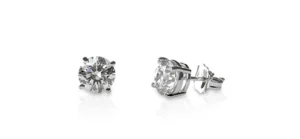
Platinum: Platinum is the best hypoallergenic material. In addition to being hypoallergenic, it is heavy, durable, and can be cast or custom-made into just about any design imaginable. Platinum pieces are sizable, repairable, and last longer than just about any other metal. In addition to custom platinum rings, we also sell premade platinum pieces, such as wedding bands, diamond stud earrings, and more. These are the best options for clients with metal sensitivity.
Specialty Gold Alloys: Metallurgist jewelers have developed 14k and 18k gold alloys, in white and yellow, that are more hypoallergenic. These often contain palladium instead of zinc, and while not as good as platinum, represent a better option than past gold alloys for hypoallergenic clients. These gold alloys are just as durable and customizable as other gold alloys. Unfortunately, the high copper content in rose gold makes it almost never a hypoallergenic option.
Argentium and Sterlium Silver: These are proprietary alloys of silver that are both more durable and more hypoallergenic than normal silver. However, they are not as hypoallergenic as some gold alloys or platinum, and they are much softer, making jewelry more fragile and requiring care when worn. While a good option for those with sensitive skin, these are not the best options for long-term jewelry use.
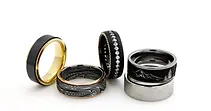
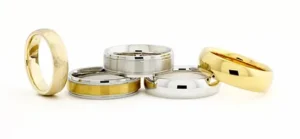
Alternative Metals: These are the metals we see most often in men’s wedding bands; as alternatives, they are not precious metals and thus sell at much lower prices. The downside to these materials is that they have high hardness and melting points, so they must be machined – they cannot be made into custom jewelry and offer limited design freedom. Popular hypoallergenic options include tantalum, zirconium, serinium, titanium, and ceramic carbide.
Tips & tricks if you have a metal allergy or ring rash:
- Avoid wearing jewelry until the area heals.
- Avoid using harsh chemicals or cosmetics in the affected area.
- Thoroughly wash, rinse, and dry the affected area, and keep it dry after bathing and hand washing!
- Use soothing creams and ointments on the rash if needed.
- Seek medical attention if the problem lasts more than a few days.
- Keep your jewelry clean – regular cleaning of your ring can help prevent ring rash, just as a clean bracelet, watch, or chain will cause less skin irritation.
Tips & tricks if you are buying jewelry for someone with a metal allergy:
- Choose jewelry made from platinum or other metals that are unlikely to cause allergies.
- Look for pieces with smooth surfaces and fewer holes or gaps that encounter your skin. A rounded, smooth band called a comfort-fit is best because it’s less likely to trap sweat or dirt.
- Work with a jeweler who understands metal allergies and can help you pick or design something gentle on your skin.
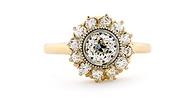
- Avoid old or antique jewelry, as you can’t be sure what metals are in them.
- Stay away from cheap jewelry, sterling silver, and lower-priced gold jewelry made overseas, because they may have metals that could cause allergies.
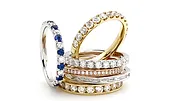
- Don’t wear lots of rings or bracelets right next to each other—this can trap sweat or water and irritate your skin.
- Avoid jewelry with rough or scratchy parts, such as earring posts with threads, as they can irritate your skin.