










Discover the Rarity of Blue Garnet
Blue garnet is one of the rarest color-change gemstones found in the modern jewelry world. Known for its dramatic shift from blue or teal in daylight to purple or red under warm light, blue garnet is prized by collectors, gemologists, and jewelry enthusiasts who want something truly uncommon. This page provides a complete overview of blue garnet, how it forms, what makes it rare, how it compares to other gemstones, and how to choose a high-quality piece. It also includes a section for current blue garnet jewelry available in our store.
Shop Blue Garnet Jewelry




What Is Blue Garnet
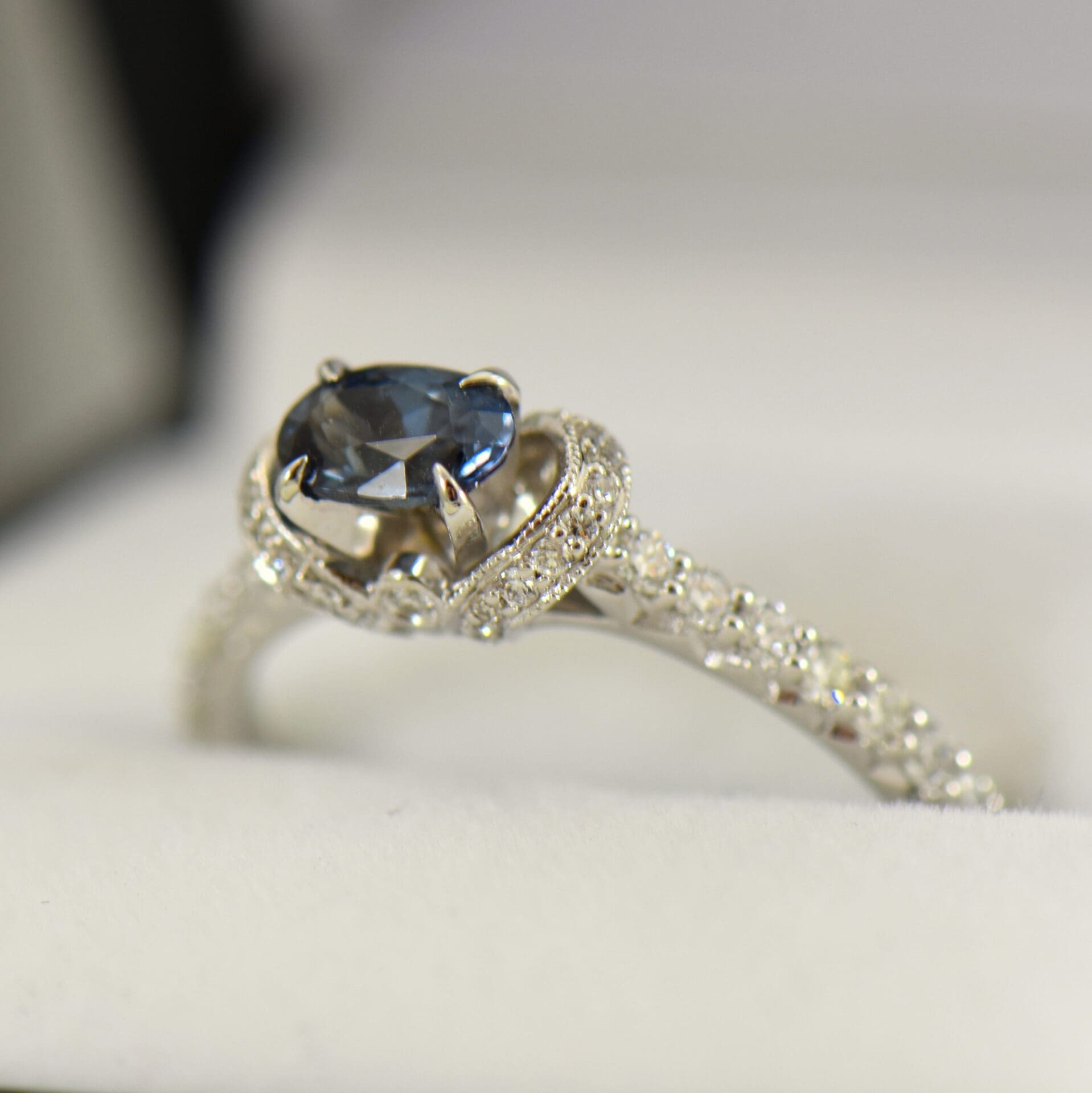
Blue garnet is not a separate garnet species. Instead, it is a mixture of garnet types such as pyrope, spessartite, almandine, and grossular. The most important elements contributing to the color-change effect are vanadium and chromium. These trace elements alter the way the crystal absorbs light, resulting in the dramatic color shift.
Geological Formation
Blue garnet forms under unique geological conditions involving high pressure, high temperature, and the presence of vanadium-rich mineral fluids. Garnets grow deep within the earth’s crust, often in metamorphic environments where rocks undergo chemical and structural transformation. During the formation of blue garnet, small amounts of vanadium enter the crystal lattice. This produces a spectrum that transmits blue or teal wavelengths in daylight and red wavelengths in incandescent light.
The geological combination required for this effect is rare, which explains the scarcity of blue garnet. Most deposits only produce very small, isolated pockets of blue stones, and many mines yield no blue material at all.
Why Blue Garnet Changes Color
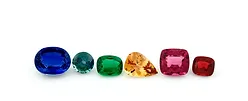
Color change in gemstones occurs when the stone reacts differently to distinct light sources. Daylight contains more blue wavelengths, while incandescent or candlelight contains more red wavelengths. Blue garnet absorbs and reflects these wavelengths in different ways, producing the signature shift from blue-green to purple-red.
This phenomenon is similar to alexandrite, making blue garnet a compelling alternative for collectors who appreciate unique optical effects.
Where Blue Garnet Is Found
Blue garnet is exceptionally rare and comes from only a handful of locations. The most recognized sources are:
- Madagascar (Bekily): known for strong blue-green color and dramatic color change
- Tanzania: produces small quantities with similar characteristics
- Kenya: occasional pockets of color-change garnet with bluish tones
- Sri Lanka: minor deposits with softer color change
- Russia: historical reports of color-change garnet, though blue examples are uncommon
- United States (Idaho): rare color-change garnet, usually more green than blue
Madagascar remains the most significant commercial source. Nearly all high-end blue garnet jewelry on the market today features stones from Madagascar.
Types of Blue Garnet
Although all blue garnets fall into the color-change category, there are variations within the market.
Masasi Blue Garnet
Masasi blue garnet refers to material from the Masasi region near the Tanzania-Zambia border. These stones show blue or teal hues in daylight and shift toward red or purple under incandescent light. They are known for clean clarity and strong color saturation.
Bekily Blue Garnet
Bekily, Madagascar, produces the most sought-after blue garnets. These stones often display a purer blue tone than those from other sources. The color change is typically strong and dramatic, making Bekily stones extremely collectible.
Blue-Green Color-Change Garnet
Some garnets show a greenish body color rather than a blue one. While not as rare as pure blue stones, they still fall within the color-change category and are valued for their optical behavior.
How Rare Is Blue Garnet
Blue garnet is one of the rarest gemstones sold in jewelry today. The reasons include:
- Limited geographic sources
- Very small production quantities
- High demand from collectors
- Strong comparison to alexandrite
- Minimal sizes above one carat
High-quality blue garnets over one carat with strong color change are extremely hard to find. Stones above two carats are considered exceptional. Large, clean, and vividly colored blue garnets may be priced similarly to fine alexandrite or high-end sapphires.
Blue Garnet vs Alexandrite
Blue garnet is frequently compared to alexandrite, another rare color-change gemstone. Both materials produce dramatic shifts in color when viewed under different lighting.
Key differences:
- Alexandrite belongs to the chrysoberyl family, while blue garnet belongs to the garnet group
- Alexandrite often displays a green-to-red shift, whereas blue garnet shifts from blue or teal to purple-red
- High-quality alexandrite is usually more expensive than blue garnet
- Blue garnet is typically easier to source in clean clarity
- Garnet’s durability makes it suitable for rings and everyday jewelry with proper care
Collectors often choose blue garnet for its rarity and its vivid modern palette.
Value Guide
The value of blue garnet depends on several quality factors:
Color
The most important factor in blue garnet is color. The strongest stones show:
- A true blue or teal color in daylight
- A distinct shift to purple or red in incandescent light
- Even color across the face of the stone
Blue stones are significantly rarer and more valuable than green-based stones.
Color Change Strength
More dramatic shifts increase value. The most desirable stones show nearly complete transitions between hues.
Clarity
Blue garnet is often found with very good clarity. Eye-clean stones with minimal inclusions are preferred.
Cut
A well-cut blue garnet will display:
- Maximum brilliance
- Even color distribution
- Strong presentation of the color change
Carat Weight
Most blue garnets fall under one carat. Stones above this range rise in value quickly, especially if they maintain strong color and clarity.
How to Identify Genuine Blue Garnet
Because blue garnet is rare, buyers should understand key indicators of authenticity:
- Strong color-change reaction in different lighting
- Natural inclusions visible under magnification
- Specific gravity and refractive index corresponding to garnet
- Certification from a reputable gemological lab
- Origin information when available
Synthetic blue garnet is not common, but misidentification with synthetic spinel or glass can occur. A professional gemologist can verify authenticity.
Blue Garnet Jewelry Buying Guide
When selecting blue garnet jewelry, consider:
- Daylight vs indoor appearance
- Whether the setting enhances the stone
- Type of metal used (white gold and platinum highlight blue tones)
- Complementary accent stones such as diamonds
- Durability needed for rings versus pendants
Blue garnet is durable enough for everyday wear when properly set and regularly cared for.
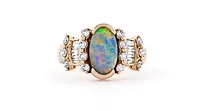
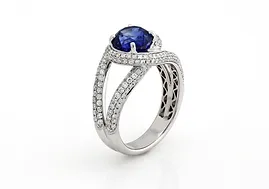
Featured Blue Garnet Jewelry
Custom Blue Garnet Jewelry
Because blue garnet is so rare, many clients choose to design custom pieces. Custom work allows for:
- Selecting a high-quality loose gemstone
- Designing a unique engagement ring or pendant
- Incorporating heirloom materials
- Highlighting the stone’s color-change effect through strategic design
FWCJ can create fully custom blue garnet jewelry for clients seeking a one-of-a-kind piece built around this rare gemstone.
Care and Cleaning
Blue garnet has a hardness of approximately 7 to 7.5 on the Mohs scale. Follow these care practices:
- Clean with mild soap and lukewarm water
- Use a soft brush to remove debris
- Avoid harsh chemicals
- Store separately from harder gemstones
- Allow a jeweler to evaluate whether ultrasonic cleaning is safe for your specific gemstone