
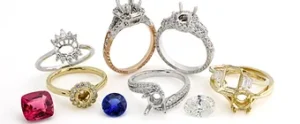

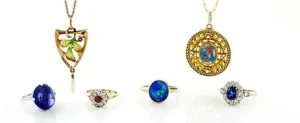

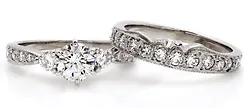





Choosing an engagement ring is one of the most important purchases you will ever make. While most people focus on the diamond first, the metal you choose plays an equally important role in durability, long-term value, and overall appearance.
If you are deciding between a gold or silver engagement ring, this guide will help you understand the key differences so you can confidently choose the best metal for your proposal.
Why the Metal Matters More Than You Think
An engagement ring is worn every day. That means the metal must:
- Securely hold your center stone
- Withstand daily wear
- Maintain its appearance over time
- Fit your lifestyle and maintenance preferences
While gold and silver may look similar at first glance, they perform very differently in real-world wear.
Gold Engagement Rings: The Industry Standard
Gold is the most common metal used in fine engagement rings. It offers strength, longevity, and versatility in color.
Types of Gold Used in Engagement Rings
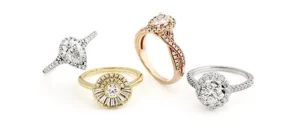
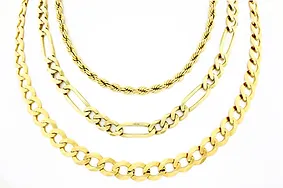
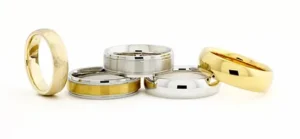
Yellow Gold
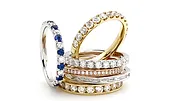
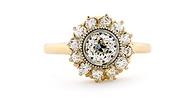
The traditional choice with a rich, warm tone. Yellow gold has been used in engagement rings for generations and pairs beautifully with classic solitaire and vintage-inspired designs.
White Gold
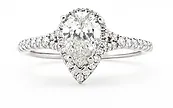
White gold is alloyed with metals like palladium or nickel and finished with rhodium plating to create a bright white appearance. It is one of the most popular modern choices because it enhances the brilliance of diamonds.
Rose Gold
Rose gold contains a higher percentage of copper, giving it a soft pink hue. It has grown in popularity for its romantic, distinctive look.
14k vs 18k Gold for Engagement Rings
When comparing gold options, karat matters.
- 14k gold is more durable and better suited for daily wear
- 18k gold contains more pure gold, offering a richer color but slightly softer structure
For most engagement rings, 14k gold offers the ideal balance between strength and beauty.
Why Gold Is Preferred for Engagement Rings
Gold provides:
- Stronger prong security for diamonds
- Greater resistance to bending
- Long-term durability
- Better resale and trade-in value
- Support for intricate custom designs
Because engagement rings are worn daily, gold’s structural integrity makes it the safer long-term choice.
Silver Engagement Rings: Affordable but Softer
Silver is often considered because of its lower price point and bright white shine.
Types of Silver Used in Jewelry
Sterling Silver
Sterling silver contains 92.5% silver and 7.5% alloy metals for strength. It is the most common type used in jewelry.
Fine Silver
Fine silver contains 99.9% pure silver. While beautiful, it is too soft for most engagement ring settings.
Advantages of Silver
Silver offers:
- Lower upfront cost
- Bright, reflective appearance
- A modern aesthetic
If budget flexibility is your top priority, silver may initially seem appealing.
Why Silver Is Rarely Used for Fine Engagement Rings
Silver is significantly softer than gold. Over time, it can:
- Scratch more easily
- Bend under pressure
- Wear down prongs faster
- Tarnish and require regular polishing
For a ring designed to last decades, silver typically requires more maintenance and may not provide the same long-term durability as gold.
Trying to Decide Between Gold and Silver?
If you want to see the difference in person, compare gold and silver engagement rings side by side at FWCJ. Our team can walk you through durability, maintenance, and style options so you feel confident in your choice.
Browse our engagement ring collection or book a consultation to get started.
Gold vs Silver Engagement Rings: Direct Comparison
Here is how the two metals compare across key decision factors.
Durability
Gold is stronger and more resistant to daily wear
Silver is softer and more prone to bending and scratching
If you plan to wear your ring every day, gold is generally the better choice.
Maintenance
Gold does not tarnish
White gold may require rhodium replating every few years
Silver tarnishes and requires regular polishing
If you prefer lower maintenance, gold is the more practical option.
Appearance
Gold offers multiple tones: yellow, white, and rose
Silver offers a bright white tone similar to white gold
Your skin tone and existing jewelry can help guide this decision. Warmer skin tones often pair well with yellow or rose gold, while cooler tones complement white metals.
Cost
Silver costs less upfront
Gold costs more initially but retains value better over time
When viewed as a lifetime purchase, gold often delivers better long-term value.
Which Metal Is Best for Your Lifestyle?
Before choosing between gold and silver, consider how the ring will fit into your daily routine.
Ask yourself:
- Do you work with your hands frequently
- Are you active outdoors or in the gym
- Do you want minimal maintenance
- Are you planning for this ring to become an heirloom
- Do you want the option to upgrade or redesign in the future
If you live an active lifestyle or want a ring designed to last generations, gold typically offers the durability you need.
Is Silver Ever a Good Choice for an Engagement Ring?
Silver can work in certain situations:
- Temporary or starter rings
- Travel rings
- Budget-focused purchases
- Fashion-forward minimalist designs
However, for a primary engagement ring meant for lifelong daily wear, gold remains the preferred option among professional jewelers.
Why Most Fine Jewelers Recommend Gold
There is a reason the majority of engagement rings are crafted in gold rather than silver.
Gold provides:
- Stronger stone protection
- Better long-term wear performance
- Greater design flexibility
- Higher overall value
When you are investing in a meaningful piece that symbolizes lifelong commitment, durability matters.
Making the Right Decision for Your Proposal
Choosing between a gold or silver engagement ring comes down to balancing:
- Longevity
- Maintenance
- Budget
- Personal style
- Lifestyle needs
If durability and long-term performance are your top priorities, gold is typically the stronger choice. If upfront cost is the primary concern and you understand the maintenance trade-offs, silver can still be a viable option.
The best way to decide is to compare both metals in person. Seeing how each complements your chosen diamond often makes the answer clear.
Not Sure Which Metal Is Right for You?
Choosing the right engagement ring should feel exciting, not overwhelming.
At FWCJ, you can compare gold and silver engagement rings side by side and speak with a knowledgeable jewelry specialist who will guide you through the pros and cons based on your lifestyle and budget.
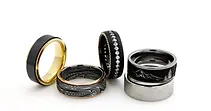
Whether you are looking for a classic gold solitaire or exploring alternative metal options, we are here to help you make a confident decision.
Browse our engagement ring collection or schedule a consultation to find the perfect ring for your proposal.