
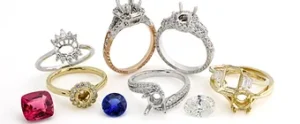

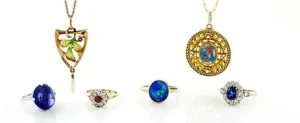
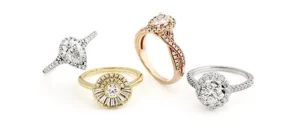

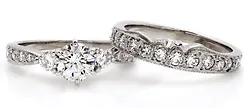


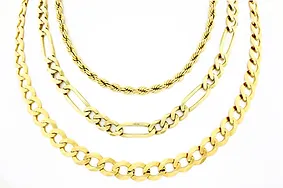
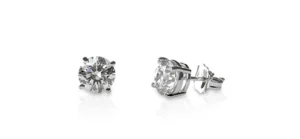
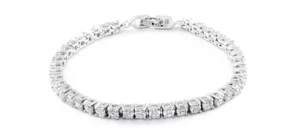
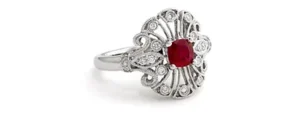


Inheriting jewelry can bring up a lot of questions. A ring, necklace, watch, or collection may have financial value, but it can also carry memories and family history that make deciding what to do with it difficult.
Should you keep it? Have it appraised? Repair it? Turn it into something you would actually wear? Or is selling the jewelry the better choice?
Before making a decision, it helps to understand exactly what you have and the options available to you.
Quick Answer: What Should You Do With Inherited Jewelry?
If you inherit jewelry, avoid selling, altering, or discarding it until you know what you have. An experienced heirloom and estate jewelry advisor can help identify what you have, evaluate its condition, and explain which pieces may be worth keeping, repairing, redesigning, appraising, or selling. A knowledgeable jeweler can help identify the metals and gemstones, evaluate the condition of each piece, and explain whether an item may have value beyond the materials themselves.
From there, you can decide whether to:
- Keep the jewelry as it is
- Have it professionally appraised
- Repair or restore it
- Resize or modify it
- Redesign it
- Reuse its diamonds or gemstones
- Sell or trade it
There isn’t one right answer for every piece. The best choice depends on its condition, financial value, sentimental importance, craftsmanship, and whether you or another family member would like to wear it.
1. Keep It as a Family Heirloom
You don’t have to immediately do anything with inherited jewelry.
If a piece has strong sentimental value, keeping it in its original condition may be the best option, particularly if you hope to pass it down to another family member.
Before storing inherited jewelry, however, it’s worth having the piece inspected. Older jewelry can have worn prongs, weakened clasps, loose gemstones, damaged settings, or other problems that aren’t obvious at first glance.
Proper storage matters, too. Keep individual pieces separated so gemstones and metals don’t scratch one another, and avoid exposing fine jewelry to excessive moisture, heat, or chemicals.
Even if you don’t plan to wear the piece now, understanding its condition can help preserve it for the next generation.
2. Have the Jewelry Evaluated or Appraised
One of the most useful things you can do with inherited jewelry is find out what you actually have.
It’s common to inherit jewelry with little or no documentation. You may not know whether a gemstone is natural, what type of metal was used, how old the piece is, or whether it has significant financial value.
A jewelry professional can help identify and evaluate your pieces. Depending on what you need, a formal written appraisal may also be appropriate.
A professional appraisal can document details such as:
- The type of jewelry
- Metals and gemstones
- Gemstone measurements and grades
- Condition
- Identifying characteristics
- Photographs
- An appropriate researched value
The type of valuation you need can depend on what you plan to do with the jewelry. An insurance appraisal, for example, serves a different purpose than determining what an item might sell for on the secondary market.
Getting professional guidance before selling is especially important. Some inherited pieces may be worth more as complete jewelry than simply for the value of their gold or gemstones.
3. Repair or Restore the Jewelry
An inherited piece doesn’t have to be in perfect condition to be worth keeping.
Jewelry that has been worn for decades may show its age. Rings can have thin shanks or worn prongs. Chains and clasps can weaken. Stones can become loose. Older settings may need reinforcement before they’re safe to wear regularly.
Depending on the piece, repairs may include:
- Replacing or rebuilding worn prongs
- Tightening loose gemstones
- Repairing chains or clasps
- Resizing rings
- Replacing missing stones
- Restoring worn settings
- Refinishing or polishing appropriate pieces
With antique and vintage jewelry, restoration should be approached carefully. Sometimes preserving original details is more important than making a piece look brand new.
An experienced jeweler can explain which repairs are necessary for safety and which changes could affect the character or value of the piece.
Not Sure What You Inherited?
A jewelry box passed down through a family can contain everything from sentimental costume jewelry to valuable diamonds, gemstones, gold, and important antique pieces.
Federal Way Custom Jewelers’ GIA-trained team can help you sort through inherited jewelry, identify what you have, evaluate your options, and determine which pieces may be worth keeping, repairing, redesigning, appraising, or selling.
4. Resize or Modify It So You Can Wear It
Sometimes you love an inherited piece but it simply doesn’t fit.
A grandmother’s ring may be several sizes too small. A necklace may be shorter than you prefer. An older bracelet may have a clasp that doesn’t work well for your lifestyle.
In many cases, relatively small modifications can make inherited jewelry wearable again without changing its overall character.
A ring may be resized, for example, while a necklace might be lengthened or fitted with a different clasp.
Before modifying antique or vintage jewelry, have the piece evaluated. Certain construction methods, gemstones, engravings, or design elements can make alterations more complicated.
The goal should be to make the jewelry usable while preserving as much of its history and character as possible.
5. Redesign It Into Something New
You can love what a piece represents without loving the jewelry itself.
This is one of the most common challenges with inherited jewelry. Styles change, and a ring or pendant that suited someone decades ago may not fit your taste today.
Rather than leaving meaningful jewelry in a box, consider incorporating it into a new custom design.
An heirloom piece could potentially become:
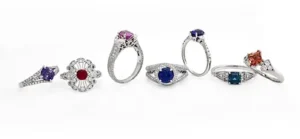
- A more contemporary ring
- A pendant
- Earrings
- A bracelet
- A new engagement ring
- Jewelry for multiple family members
Redesigning can preserve the emotional connection to the original jewelry while creating something that fits your style and lifestyle.
Before starting a redesign, have the original piece evaluated. Some antique or historically significant jewelry may be better preserved in its original form, while other pieces are excellent candidates for transformation.
6. Reuse the Diamonds or Gemstones
You don’t necessarily have to reuse the original setting to preserve part of an inherited piece.
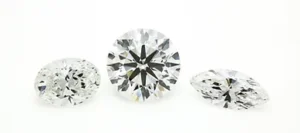
Diamonds and other gemstones can often be removed from older jewelry and incorporated into a new design.
For example, a diamond from an inherited ring could become the center stone of an engagement ring. Several smaller stones from different pieces might be combined into a pendant or band.
This can be especially meaningful when multiple family members inherit a collection. In some cases, stones can be divided and incorporated into separate pieces, allowing more than one person to carry part of the family’s jewelry history.
Not every gemstone is suitable for resetting, however. A jeweler should inspect each stone for chips, fractures, previous damage, treatments, and other factors before recommending that it be removed or reset.
7. Sell or Trade the Jewelry
There are also perfectly good reasons to sell inherited jewelry.
You may have no sentimental attachment to a particular piece. It may not suit anyone in your family. You might inherit duplicates or an entire collection that you simply don’t need.
If selling makes sense, the most important step is understanding what you have before accepting an offer.
The value of inherited jewelry can depend on much more than weight alone. Factors can include:
- Precious metal content
- Diamond or gemstone quality
- Designer or maker
- Age and period
- Condition
- Craftsmanship
- Rarity
- Current demand
- Whether the piece can be resold intact
For example, an original antique piece in good condition may have value as estate jewelry that exceeds its basic scrap value.
Depending on the item, selling directly to a jeweler, consignment, private sale, or auction may produce different results.
A reputable jewelry professional should be willing to explain what you have and discuss the available options before you decide whether to sell.
Should You Get Inherited Jewelry Appraised Before Selling It?
Not every inherited item needs a formal written appraisal before it is sold.
What you do need is a reliable understanding of what the jewelry is and how its value is being determined.
For potentially valuable, unusual, antique, or important pieces, additional research or a professional appraisal may make sense before selling. A written appraisal may also be needed if you plan to insure the jewelry or require documentation for estate or legal purposes.
For other pieces, an experienced jeweler may be able to provide identification and a secondary-market evaluation without the expense of a full written appraisal.
If you’re unsure, start with an evaluation and ask what type of documentation is appropriate for your situation.
What If You Inherit an Entire Jewelry Collection?
Sorting through one ring is very different from inheriting several boxes of jewelry.
If you’ve inherited a large collection, don’t assume you can identify valuable pieces by appearance alone. Fine jewelry, costume jewelry, antique pieces, watches, loose gemstones, and scrap precious metals can easily become mixed together over the years.
Start by keeping the collection intact and gathering any available documentation, including:
- Receipts
- Previous appraisals
- Diamond grading reports
- Original boxes
- Warranties
- Family records or photographs
Then have the collection reviewed systematically.
You may ultimately decide to keep some pieces, distribute others among family members, restore or redesign sentimental items, and sell jewelry that no one wants.
Taking the collection piece by piece makes the process much more manageable.
Don’t Make a Decision Based on Financial Value Alone
Knowing what inherited jewelry is worth is important, but value isn’t always measured in dollars.
A relatively modest ring may be priceless to your family because of who wore it. Meanwhile, an expensive piece may hold little sentimental importance and make more sense to sell.
Before making permanent changes, consider three questions:
What is it worth financially?
What does it mean to me or my family?
Would someone actually wear and enjoy it?
Those answers can help you decide whether preserving, restoring, redesigning, gifting, or selling the piece makes the most sense.
Get Expert Guidance for Your Inherited Jewelry
You don’t have to figure out an inherited jewelry collection on your own.
Federal Way Custom Jewelers has served Federal Way and the greater Seattle area for more than 70 years. Our GIA-trained team can help identify and evaluate inherited jewelry and explain your options for appraisal, repair, restoration, heirloom redesign, estate advising, or selling.
Whether you’ve inherited one meaningful ring or an entire collection, we’ll help you understand what you have so you can make an informed decision about what comes next.