








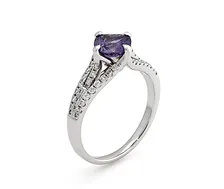
What’s the difference between 14k and 18k gold? Is white gold or platinum the more durable option? Why don’t you see fine jewelry made of sterling silver? All these questions, and many more, will be answered so you can make the most informed decision for your next jewelry purchase.
What are the different metals used in jewelry?
There are two types of metals used primarily in fine jewelry: precious metals and alternative metals.
Precious metals are rare, naturally occurring metals; think gold, silver, and platinum. They are prized for their high economic value and relatively low melting points, which enable their use in fine jewelry applications.
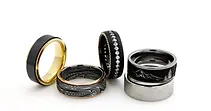
Alternative metals are any metals other than precious metals used in jewelry, such as tungsten and titanium, as well as proprietary metal mixes such as cobalt chrome, serinium, and steel. These metals can’t be used for custom jewelry, but can be manufactured in special applications.
What makes a metal good for jewelry use?
When choosing metals for jewelry, we look for a variety of traits that will rank differently for each metal. This includes things such as:
- Beauty – Is the metal the color you prefer? Does it maintain a shine or specialized finish? Does it contribute to beautiful jewelry?
- Durability – How long will the item last? How well does the metal hold its finish? Is it strong enough to securely set a high-value gemstone?
- Affordability – What is the cost of the metal? How do the raw material price, labor, and long-term maintenance factor in?
- Usability – Can the metal be used in fine jewelry processes like melting, casting, soldering, or manipulation by a goldsmith? Or is its application more limited?
- Practicality – Is the metal readily available in the marketplace? Does it suit your needs and lifestyle? Is it hypoallergenic?
Precious metals are uniquely suited for jewelry use; all of them have the physical attributes required for jewelry fabrication and repair, such as melting down a silver ring to cast a new one, soldering pieces of gold back together, or using platinum to bend it over a diamond in a prong setting.
While alternative metals also make beautiful jewelry, their high melting points and extreme hardness mean they can’t be worked in traditional ways; no goldsmith can melt tungsten to make a ring! These items must be made in a machine shop—the process is more similar to fabricating an airplane part than making a piece of fine jewelry. This severely limits the design and fabrication capabilities of these alternative metals, preventing them from being sized or repaired and limiting their overall use and value in the industry.
Gold: What is gold karat, anyway?
In its pure state, gold is dark yellow and very soft. As such, gold is alloyed, meaning mixed with other metals, to change its color and make it more durable. Pure gold is 24k, and any item that is 24k to 20k is considered “high karat gold”. 18k gold is eighteen parts gold to six parts alloy, or 75% pure, with 14k being 58.5% pure and 10k being 41.7% pure. In the US, 10k is the lowest purity we can sell and still call it gold, while in Europe, you will occasionally see 8k and 9k gold, especially in vintage pieces. You will occasionally see other karats out there as well; 15k is popular in Great Britain, 19k white gold is used by Art Deco jewelers, etc.
What is the relationship between gold purity, durability, and cost?
The purer the gold, the more it costs. If an item is 18k gold, it will cost more than if the same item were made in 14k, simply because the 18k piece contains more gold; higher-purity items are also heavier and cost more by weight. The opposite is true for durability; the lower the gold purity, the more durable the item. As such, 10k pieces tend to be the hardest, provide the best long-term wear, and are also the most affordable.
What is yellow gold?
Yellow gold refers to any of the aforementioned gold purities that maintains its yellow color or traditional gold hue. Yellow gold is one of the most popular metals in jewelry due to its beautiful look, strong durability, and lasting value. Yellow gold has been used for thousands of years and remains one of the best options for high-quality pieces.
14k is the standard yellow gold alloy we use. Using modern alloys, the 14k does a fantastic job of holding its color and providing the rich look once available only from 18k; we prefer 14k for its relative affordability and durability. 14k yellow gold offers an appealing balance of usability, beauty, practicality, durability, and cost, while 18k gold is slightly more beautiful, and 10k gold is even more durable. All three options are suitable, and the best choice depends on your specific needs and lifestyle.
What is white gold?
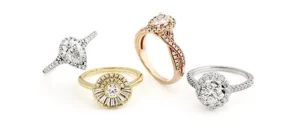
White gold is an alloy that changes the color of the gold from yellow to white; it was patented in 1912, became popular during the Art Deco era, and is available in 10k, 14k, and 18k. We use an alloy containing zinc and palladium to achieve the white color. This means it’s hypoallergenic compared to other alloys that contain nickel. White gold is very popular amongst clients who want a metal that looks like silver but’s more durable and more affordable than platinum.
Why is white gold rhodium-plated, aka ‘dipped’?
Even after gold is alloyed to achieve its iconic color, white gold retains an off-white hue. As such, most white gold is electroplated with rhodium to make it brighter and shinier, similar to chrome plating a bumper. Once plated, white gold is the brightest color of all the metal options. However, many people prefer the warm white hue that hasn’t been rhodium-plated—this is a personal preference, as rhodium plating is purely cosmetic and doesn’t affect the metal’s durability. Rhodium does wear off as the item is worn, so some client choose to have their white gold pieces “re-dipped” every year, while others go much longer between services.
What are the pros and cons of white gold?
White gold is a great neutral white metal that is more affordable than platinum but more durable than silver. The biggest upside to white gold is its durability—because of the alloys used to make it, white gold is the hardest metal we work with. Hardness is the most important factor when considering stone settings, and white gold prongs are unparalleled for durability. If you’re considering white gold, the only downside is 10k, as these pieces can be so hard that they become brittle and harder to work with in certain applications.
What is rose gold?
Rose gold is an alloy of gold and copper that gives it its pinkish hue. Modern rose gold has a higher copper content and is much pinker than older alloys. Many people are familiar with antique European gold, or “Russian red” gold, a hybrid of yellow and rose gold that is among the oldest gold alloys we see. The modern, more pink version you see today was developed during the 1980s.
What are the pros and cons of rose gold?
Rose gold is the only way to get that coppery, pink hue, and is very lovely with certain gemstones and skin tones. Rose gold is the softest of the gold alloys, with the benefit being that it is easier to engrave and can be very detailed. However, due to its malleability, rose gold is more prone to bending and breaking than other alloys. If you are looking at a setting with many small stones and small prongs, a rose gold setting will require more care and maintenance. Due to its copper content, rose gold can also be more reactive for clients with metal allergies.
What is green gold?
Green gold is an unusual gold alloy formed by mixing traditional yellow gold with silver, resulting in a slightly greenish hue. While it’s not a pronounced green, it has a lovely color and can look good in multi-tone pieces. Green gold is similar to rose gold in that it’s a softer alloy that requires special care during casting and fabrication, limiting its availability.
What’s the deal with purple, orange, or black gold?
There are several other gold colors that we occasionally get requests for. Unfortunately, these are not true gold colors —these are surface coatings. For example, black gold is typically white gold plated with black rhodium, resulting in a light grey or deep black hue, depending on the process. These surface coatings wear off quickly, and we do not recommend them for anything other than limited applications.
What purity of gold or alloys is best for fine jewelry?
The three most common gold purities used in fine jewelry are 10k, 14k, and 18k, each with its own characteristics that make it more or less desirable to different people. 10k is the lowest purity gold allowed for sale in the US, and is the most affordable. It’s also the hardest, making it a great option for items like simple gold wedding bands, heavy chains, and men’s jewelry. This hardness, however, can also be a downside if you want to set a softer gemstone, such as an opal, or hand engrave the surface.
14k is the industry standard in the United States and is the alloy most American jewelers prefer for its balance of color, durability, and cost. Modern 14k yellow gold alloy does a better job of preserving a rich yellow hue, while providing more durability than 18k. It’s much more durable than 18k, 14k is more workable and malleable than 10k, and is easier for stone setting and engraving. Like with 18k, there isn’t a visual difference between 14k and 10k rose and white gold, and the main advantages are mechanical.
18k is widely considered the preferred purity for yellow gold because of its color similarities to high-karat, but with better durability. This color is particularly attractive with certain gems, mixed metal pieces, and on certain skin tones. However, 18k is still quite soft, so items made in 18k should be carefully designed to avoid long-term issues; we recommend making heavier pieces in 18k, avoiding small prongs and surface textures that wear off quickly. 18k pieces tend to be more expensive due to their higher gold purity and have no visible difference between white and rose gold.
Why do people want 24k gold or high-karat gold?
In many cultures, pure 24k gold holds special importance and is highly valued for both its material worth and symbolic meaning. Some traditions require pure gold for spiritual or ceremonial purposes, making high-karat gold especially significant. As a result, high karat gold jewelry is most commonly found in the Middle East and Asia, while it remains uncommon in the United States and Europe.
Is high-karat gold worth more than other jewelry?
If you’re solely looking at an item’s monetary value, then yes, high-karat gold will be worth more by weight than lower-karat gold pieces. However, most high-karat gold jewelry is valued only for the gold; these pieces are so soft that they wear out quickly, devaluing used items. Additionally, many high-karat gold items are made for the metal’s look alone and are often cheaply produced, poorly made, or set with fake gemstones. A well-made 14k gold ring set with natural sapphires is going to be worth more than a poorly make 24k ring with a synthetic blue gem. Due to these factors, the lack of durability makes 24k jewelry impractical and difficult to sell in the US market, aside from its scrap value.
Do you recommend 22k gold or 24k gold for jewelry?
No, we don’t recommend making jewelry with 22k or 24k gold, though we can work with these purities by request. The primary reason is durability—both 22k and 24k gold are very soft and can bend or wear down quickly, making them impractical for everyday wear. While 22k and 24k gold can create beautiful jewelry, they require extra care and are best suited for occasional use or special pieces. If you want an item that can withstand daily wear, especially for rings, 18k gold is the highest purity we advise for most situations.
What is two-tone gold, or multi-tone gold?
Two-tone gold, or multi-tone gold, refers to any gold item with more than one color. This can be a ring with a yellow gold band and white gold prongs, a custom piece cast in different colors, or an item plated in one area to provide color contrast.
What is black hills gold?
Black Hills Gold is an American jewelry style that originated in the Black Hills of South Dakota during the late 1800s. Rather than referring to a specific gold purity, the term describes jewelry known for its multi-tone gold leaves and nature-inspired designs. Traditional Black Hills Gold jewelry combines yellow gold with rose and green gold accents to create its recognizable color contrast. Most pieces are made in 10k or 12k gold and are especially popular in rings, pendants, and wedding bands.
What are gold nuggets, and how pure are they?
Gold nuggets are naturally occurring pieces of native gold formed over thousands of years through geological processes. Because they occur naturally, every nugget is unique in shape, texture, and color, making them especially popular for organic, one-of-a-kind jewelry designs.
The purity of a gold nugget can vary significantly depending on where it was mined, but most natural nuggets range between 18k and 23k gold. Alaskan and Australian nuggets, for example, are often very high purity. Since pure gold is quite soft, gold nuggets are typically incorporated into jewelry using stronger 14k gold settings or accents to improve long-term durability and wearability.
Do you make gold jewelry?
Yes — gold is the primary metal we work in and one of the most popular choices for fine jewelry. We regularly create and repair jewelry in yellow, white, and rose gold across a variety of purities, including 10k, 14k, and 18k.
Is 18k jewelry better than other jewelry?
18k gold is often considered the most luxurious option for fine jewelry because of its rich color and high gold content. Yellow gold, especially 18k, has a deeper, warmer tone that many people prefer over lower purities. It’s also commonly used in high-end and designer jewelry.
However, “better” depends on your priorities. While 18k is purer, it is also softer and less durable than 14k or 10k gold. For everyday wear—especially rings or pieces with delicate settings—14k is often the more practical choice because it offers a better balance of durability, color, and cost. 18k is best suited for clients who prioritize luxury, color, and higher gold content over maximum durability.
Silver: What is silver?
Silver is a naturally occurring precious metal prized for its bright white color, reflectivity, and affordability. It has been used in jewelry, currency, and decorative objects for thousands of years and remains one of the most recognizable precious metals in the world.
Pure silver is extremely soft, so most jewelry is made from sterling silver, an alloy containing 92.5% silver and other metals for added strength and durability. Sterling silver is popular for fashion jewelry, gifts, and artisan pieces because it offers the look of a white precious metal at a lower cost than gold or platinum.
What is sterling silver?
Sterling silver is the standard silver alloy used in jewelry and decorative objects. Because pure silver is extremely soft, it is mixed with other metals—typically copper—to improve its strength and durability. Sterling silver is 92.5% pure silver and 7.5% alloy, which is why it is often stamped with “925.”
Do you see other silver alloys?
Yes, there are several other silver alloys besides sterling silver, though most are far less common in fine jewelry. Fine silver, which is 99.9% pure silver, is occasionally used in artisan or handmade jewelry, but it is very soft and scratches easily. Coin silver is another historic alloy that typically contains 90% silver and was commonly used in antique American and European pieces.
Does silver make good jewelry?
Silver can make beautiful jewelry, especially for fashion pieces, artisan designs, and casual wear. It offers the bright white appearance of a precious metal at a much more affordable price point than white gold or platinum, making it extremely popular for necklaces, earrings, bracelets, and statement pieces.
However, silver is softer and less durable than gold or platinum, so it requires more maintenance over time. Sterling silver can scratch, bend, and tarnish with regular wear, particularly in rings or delicate settings holding valuable gemstones. Because of this, many jewelers prefer gold or platinum for engagement rings and fine heirloom jewelry intended for daily wear. Silver is best suited for clients who want the look of a precious metal at an accessible price and are comfortable with occasional polishing and maintenance.
Do you make silver jewelry?
Yes — while gold is the primary metal we work in, we can absolutely create silver jewelry upon request. We also have access to a wide variety of sterling silver pieces through our vendors for clients looking for the look of a lighter precious metal at a more affordable price point.
Do you repair silver jewelry?
Yes, we do repair sterling silver jewelry. Silver repairs are completed using many of the same tools, techniques, and skilled labor as for gold and platinum jewelry, so in some cases, the cost of a repair may exceed the original purchase price of the piece, particularly with lightweight or mass-produced items. We’re always happy to evaluate a piece and help you decide whether repair, restoration, or replacement is the best option for your specific jewelry.
Is it expensive to maintain sterling silver jewelry?
No, sterling silver is generally inexpensive and easy to maintain. Most pieces simply require occasional polishing to remove tarnish and restore their shine. Regular wear actually helps slow tarnishing, as natural friction keeps the surface cleaner.
Over time, sterling silver jewelry may need professional cleaning, polishing, or repairs if it becomes scratched or bent, but routine maintenance costs are typically much lower than those associated with gold or platinum jewelry. Proper storage in a dry environment and avoiding harsh chemicals can also help keep sterling silver looking its best for years.
Platinum: What is platinum?
Platinum is a rare, naturally white precious metal known for its durability, density, and lasting value. Unlike white gold, platinum does not require rhodium plating to maintain its color, giving it a naturally soft grey-white appearance that many people love for fine jewelry and engagement rings.
Platinum is one of the strongest metals used in jewelry and is especially prized for securing diamonds and other valuable gemstones. Rather than wearing away over time, platinum tends to displace slightly with wear, helping prongs and settings remain secure for decades. It is also hypoallergenic, making it an excellent option for clients with sensitive skin.
Because platinum is denser and rarer than gold, platinum jewelry is typically heavier and more expensive than comparable gold pieces. However, its durability, prestige, and low-maintenance nature have made it one of the most respected metals in fine jewelry.
Does platinum make good jewelry?
Yes, platinum is widely considered one of the best metals for fine jewelry. It is extremely durable, naturally white, hypoallergenic, and exceptionally secure for setting diamonds and other valuable gemstones. Because platinum is dense and strong, it is especially popular for engagement rings, wedding bands, and heirloom-quality pieces designed for long-term daily wear.
Is platinum or white gold better?
Neither platinum nor white gold is objectively “better” — the right choice depends on your priorities, lifestyle, and budget. Both are excellent options for fine jewelry and engagement rings, but they have different strengths.
White gold is more affordable, lighter, and extremely durable because of the alloys used to create its color. It is also the brightest white metal when freshly rhodium-plated, making it a popular choice for clients who want a crisp, bright appearance. However, white gold typically requires occasional rhodium plating to maintain the finish as it wears over time.
Platinum is rarer, denser, and naturally white, so it never needs plating to maintain its color. It is highly durable and especially prized for securing valuable gemstones because the metal tends to displace rather than wear away. Platinum is also hypoallergenic, making it ideal for sensitive skin. The tradeoff is cost — platinum jewelry is typically heavier and significantly more expensive than comparable white gold pieces.
For most people, white gold offers the best balance of durability, appearance, and value, while platinum is often chosen for its prestige, longevity, and low-maintenance natural color.
Do you make platinum jewelry?
Yes, we can create platinum jewelry upon request, including custom designs, engagement rings, wedding bands, and other fine jewelry pieces. Platinum is a specialty metal that requires different fabrication techniques than gold, but it remains a popular option for clients looking for a naturally white precious metal with exceptional longevity.
Do you repair platinum jewelry?
Yes, we repair platinum jewelry, including rings, prongs, chains, and other fine jewelry pieces. Platinum repairs require specialized tools and techniques due to the metal’s density and high melting point, which can make them more labor-intensive than those for gold or silver. We’re always happy to evaluate your piece and discuss the best repair options for its condition and long-term wear.
Why is platinum more expensive than other metals?
Platinum is more expensive than most jewelry metals because it is both rarer and denser than gold. Platinum is found in much smaller quantities in nature, and mining it is more difficult and labor-intensive, which increases the cost of the raw material.
In jewelry, platinum is also used in much higher purity than gold alloys. Most platinum jewelry is around 90–95% pure platinum, compared to 14k gold, which is only 58.5% pure gold. Platinum’s density means a ring made in platinum will weigh significantly more than the same ring in gold, increasing the amount of precious metal used in the piece.
Additionally, platinum is more difficult for jewelers to work with due to its high melting point and specialized fabrication requirements. All of these factors—rarity, purity, weight, and labor—contribute to platinum’s higher price point.
What is palladium?
Palladium is a naturally white precious metal that belongs to the same metal family as platinum. It shares many of platinum’s desirable qualities, including its bright white color, hypoallergenic nature, and resistance to tarnishing, but is lighter in weight and less dense.
Palladium became especially popular in jewelry during periods when platinum prices were very high, as it offered a similar look at a lower cost. It has also long been used in white gold alloys to help create nickel-free, hypoallergenic white gold.
While palladium makes beautiful fine jewelry, it is less commonly used today than gold or platinum due to fluctuating costs, limited availability, and the specialized tools required to work with it. However, it remains an excellent option for clients who want a naturally white precious metal without rhodium plating.
Do we make or repair palladium jewelry?
It depends; we don’t make palladium pieces, but we can repair them in most cases. Palladium is a metal in the platinum family, but it is very challenging to work with because it oxidizes at high temperatures. Meaning it reacts with oxygen in the air, forming a brittle surface layer that makes the metal harder to work with and more likely to crack or break during jewelry repair or fabrication. We have the tools and experience to repair palladium in most cases; the approach and overall cost depend on the type of repair and the piece’s condition.
We will work directly with our goldsmith to determine a formal estimate for all palladium repairs. We do not make pieces in palladium because the cost outweighs any benefits the metal may offer, and we cannot warranty the end result. If you have any other questions about palladium, we are happy to discuss it with you.
What metal makes the best engagement ring?
There isn’t a single “best” metal for an engagement ring—the right choice entirely depends on your lifestyle, budget, design preferences, and maintenance expectations. The three most popular engagement ring metals are 14k gold, 18k gold, and platinum, each with its own strengths.
For most people, 14k gold offers the best balance of durability, beauty, and value. It’s strong enough for everyday wear, works well for securing gemstones, and is available in yellow, white, and rose gold. Platinum is often considered the premium option because of its durability, natural white color, and long-term wear characteristics, though it comes with a significantly higher price tag. 18k gold is prized for its rich color and higher gold content, but it’s softer and better suited for clients who prioritize luxury over maximum durability.
Ultimately, the best engagement ring metal is the one that fits your lifestyle and personal taste while providing the durability needed for everyday wear.
What should I do if I have a metal allergy?
If you have a metal allergy or sensitive skin, it’s important to choose jewelry made from hypoallergenic metals and alloys. Platinum is one of the best options due to its high purity and natural hypoallergenicity.
For gold jewelry, the alloy matters just as much as the gold purity. Some white gold alloys contain nickel, which is one of the most common causes for jewelry allergies. Modern nickel-free white gold alloys that use palladium instead are often a much better choice for sensitive skin.
Yellow gold is generally less likely to cause reactions than white gold, while rose gold may irritate people sensitive to copper due to its higher copper content.
If you have any known sensitivities, it’s always a good idea to ask what alloys are being used in a piece before purchasing. Reactions can vary from person to person, so choosing high-quality metals and properly fitted jewelry can make a significant difference in long-term comfort.
Ultimately, there is no single “best” jewelry metal — the right choice depends on your lifestyle, budget, aesthetic preferences, and long-term goals for the piece. Gold, silver, platinum, and alternative metals each have their own strengths, drawbacks, maintenance requirements, and unique beauty.
Understanding the differences between these metals can help you make a more informed and confident decision, whether you’re shopping for an engagement ring, heirloom piece, everyday jewelry, or a meaningful gift. If you still aren’t sure which metal is right for you, we’re always happy to answer questions, explain your options, and help you find the best fit for your needs.