
Rare Gemstone Varieties

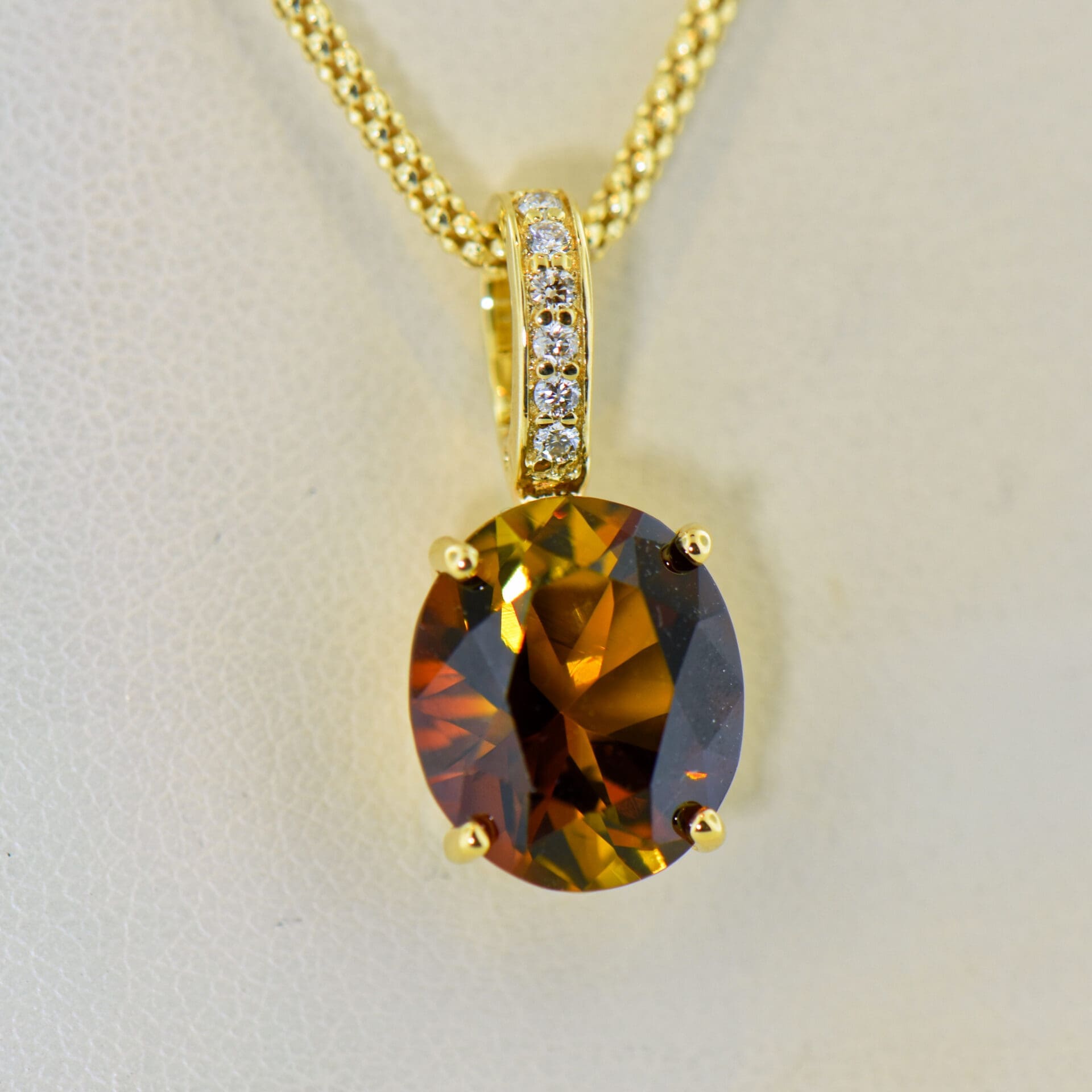
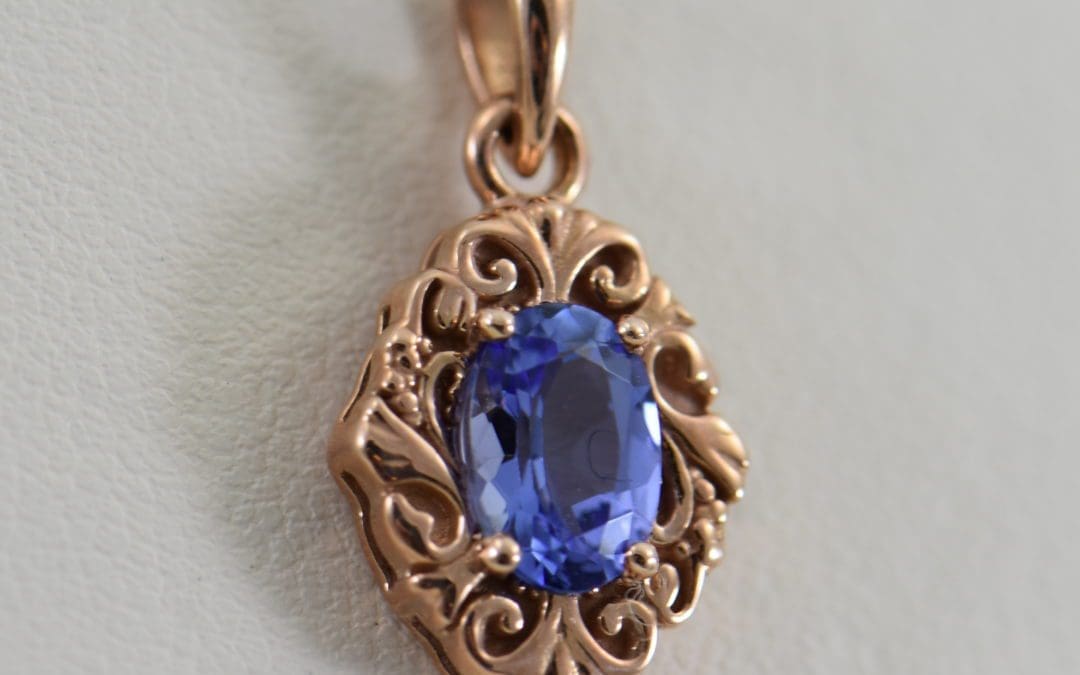
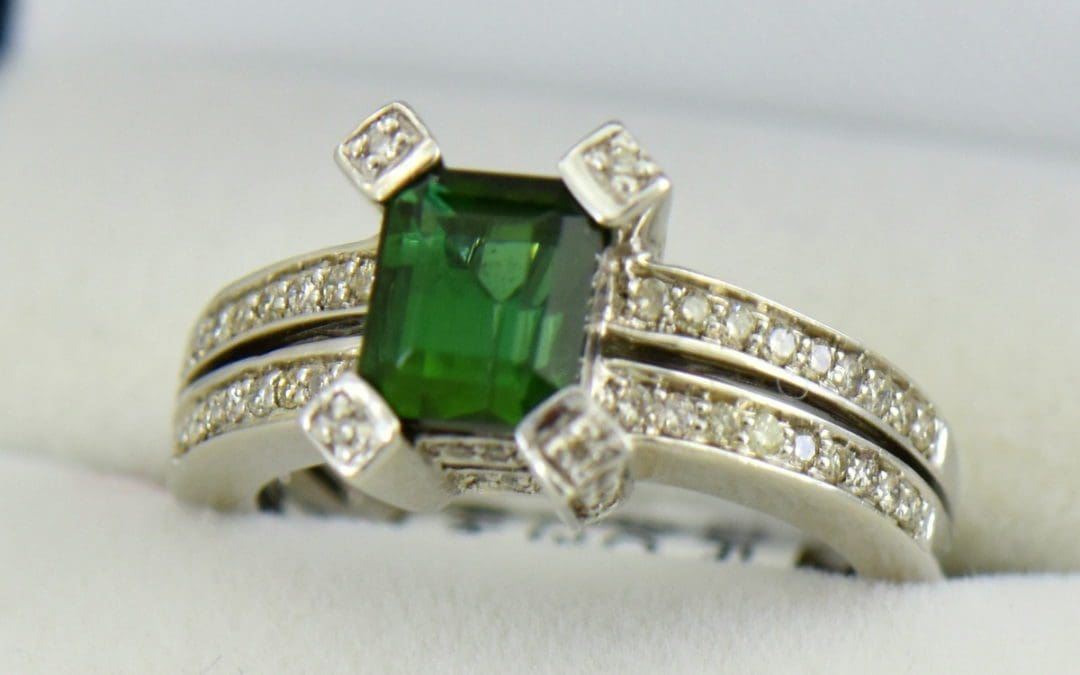
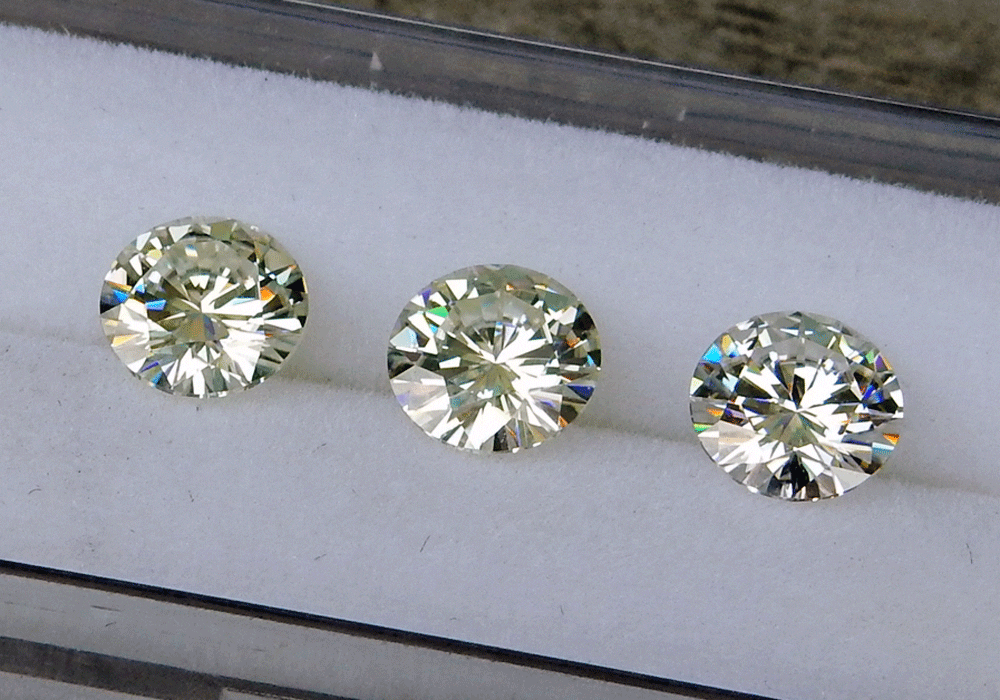
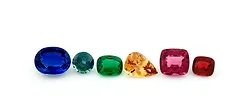
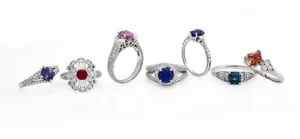
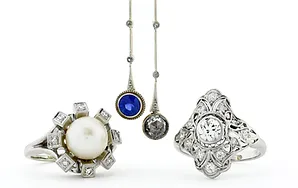
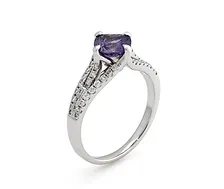
We carry exotic, rare and affordably priced colored gemstones perfect for the collector and jewelry lover. These gemstones are not just the standard emerald, ruby and sapphire that are already widely known; we carry many unusual varieties such as: Tanzanite, Tsavorite, Spessartite, Black Opal, Ethiopian Opal, Spinel, Alexandrite, Imperial Topaz, Tourmaline, Color Changing Sapphire and Color Changing Garnet, as well as many other unheard of varieties, in qualities that our clients always rave about!

Below is a selection from our ever-changing inventory of loose gemstones. Due to our many years of inventory buying, we are often the first to see many amazing gems at the international buying shows. The store owner and employees have lasting relationships with gem cutters and miners from Brazil to Sri Lanka, allowing us to present to you, our clientele, the 'cream of the crop' of fine colored gems at unbeatable prices.

For more information on colored gemstones, check out:

http://www.agta.org/gemstones/index.html

Beryl: Aquamarine, Emerald and Morganite

2.59ct radiant green beryl 3.25ct oval ceylon aquamarine 34.72ct cushion morganite 6.23ct pear aquamarine 7.14ct cushion aquamarine

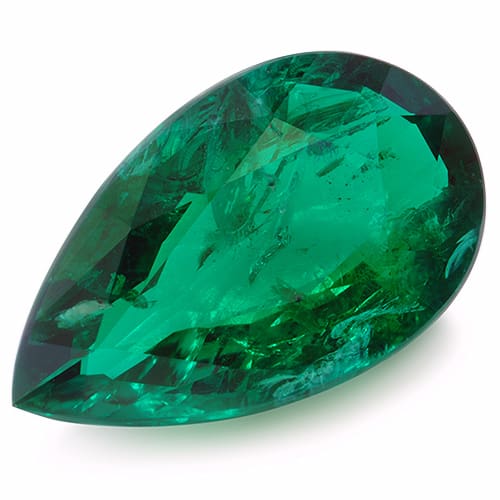
Beryl is the regal gem family that Emerald belongs to. For centuries, Emeralds have been prized for their rich color and beautiful sheen unlike any other gem. For this reason, Emeralds in fine qualities, usually from Colombia, are one-of-a-kind, and we tend to focus more on its cousins, the Aquamarine and Morganite. Due to its high hardness (7.5-8 on the Mohs scale) these stones can easily be featured in rings and pendants of all designs. The crystal structure of Beryl allows them to grow quite large, making 10ct+ examples of these bright and lively gems not uncommon. Aquamarine is found primarily in Africa, Brazil and some of our best pieces come from Sri Lanka. The most prized color is an intense blue, but some prefer the deep green-blue for which the stone is named. Morganite is named after famous financier and gem collector J.P. Morgan, and has the same gemmological properties as aquamarine yet occurs in shades of pink and peach. At Federal Way Jewelers, we love these gems, and we often feature them as stunning center stones in pendants due to the inner glow they display. Featured above from left to right: 2.56ct radiant green beryl, 3.34ct oval Sri Lanka Aqua, 32ct cushion Morganite, 6.25ct pear Indian Aqua, and 21.56ct unheated cushion Aqua. Schedule an appointment to view our rare gemstones today!

Chrysoberyl: Alexandrite and Cat's Eye

1.64ct round cats eye chrysoberyl 2.79ct fancy chrysoberyl 3.76ct african neon chrysoberyl 33ct-oval-alexandrite.jpg 2.60ct-vanadium-chrysoberyl.jpg

The Chrysoberyl gem family is host to the two most valuable phenomenon gems: Cymophane, or chrysoberyl Cat's Eye, and the color-changing Alezandrite. Cat's Eye is found in South East Asia and is typically golden, green and brown in color. Microscopic inclusions that run parallel in the stone reflect light, creating a milky white line that appears on the surface of the gem. These stones are always unique, and make incredible jewelry for men and women. Alexandrite is a variety of chrysoberyl that appears purplish red in incandescent light and teal green in outdoor light. Named after a Russian Tsar, this gem was originally discovered in the Eural Mountains of Russia but is now found in East Affrica and Brazil. The amazing color change has captivated gem collectors ever since Tiffany and Co. began marketing the gem. However, due to the very limited supply, it is now a very rare gem worthy of all fine jewelry. Although not as famous, chrysoberyl can also be found without phenomena, in shades of green, yellow and brown. These gems are equally rare, yet due to less demand they are affordable for the everyday gem lover. The high hardness of chrysoberyl, 8.5 on the Mohs scale, and intense coloring, make it a wonderful gem. Featured below are a: 1.51ct oval Cat's Eye, 2.40ct fancy chrysoberyl, 4.40ct Indian 'neon' yellow chrysoberyl, .35ct oval Brazilian Alexandrite with fine color change, and 2.64ct oval rare white chrysoberyl. Schedule an appointment to view our rare gemstones today!

Corundum: Ruby and Sapphire

1.00ct oval ceylon sapphire 1.07ct trillion light blue sapphire 1.24ct pear golden sapphire 1.47ct pillow tanzanian red sapphire 2.10ct oval pink sapphire

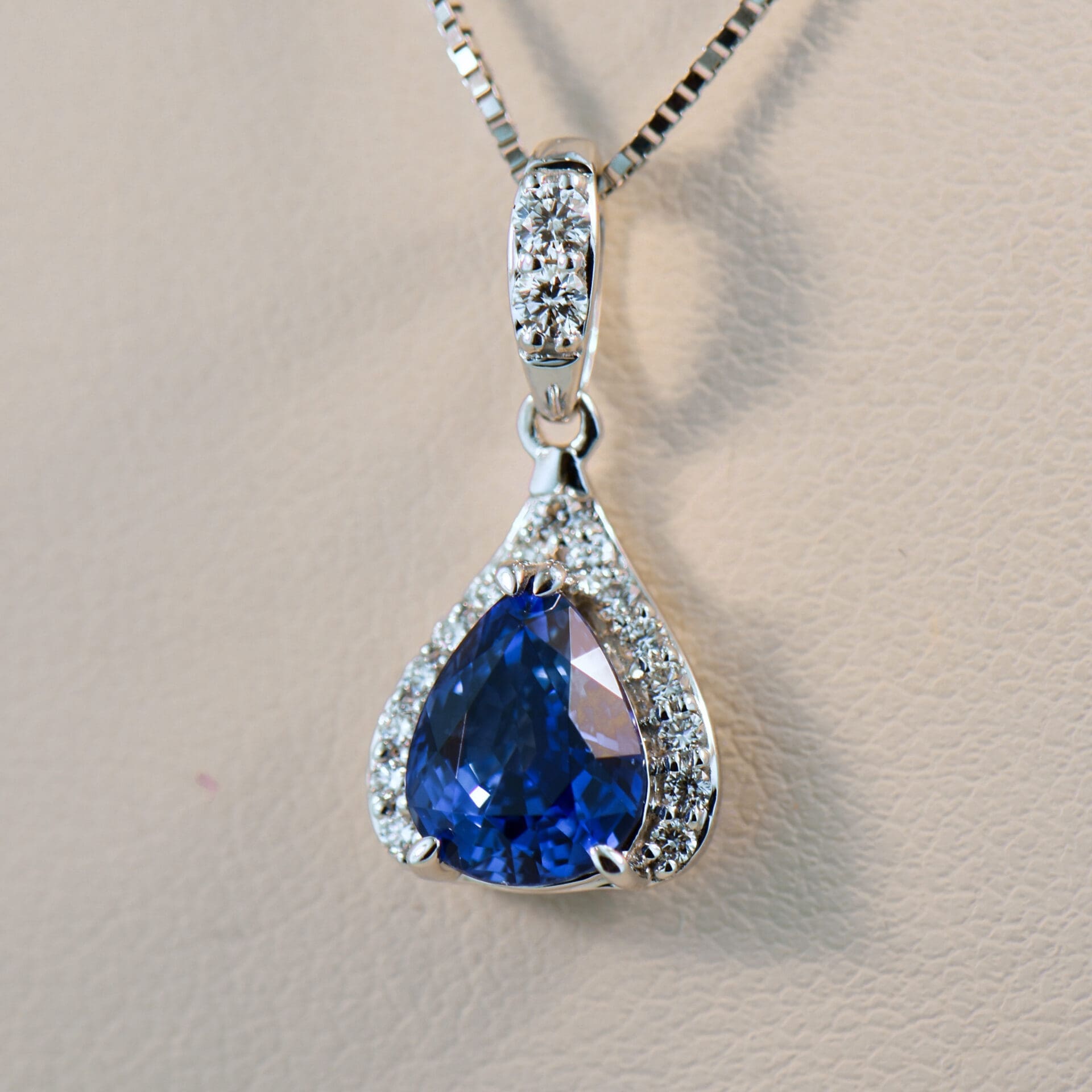
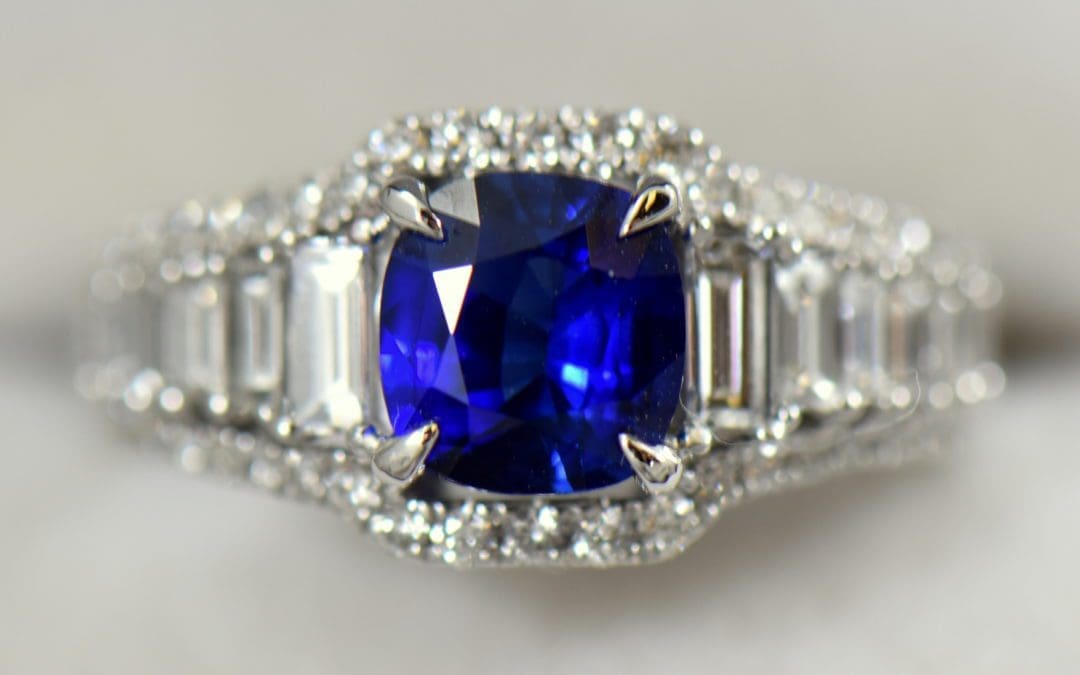
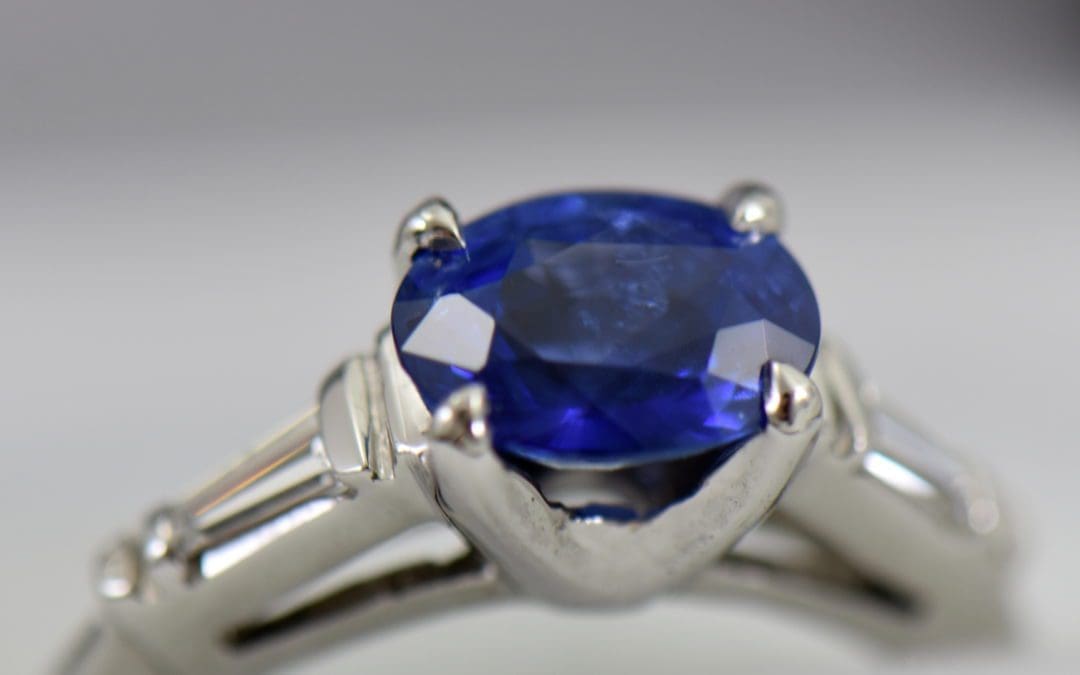
Ruby and Sapphire are the King and Queen of colored gems. The corundum family occurs naturally in every color, with an incredible array of secondary hues that are truly unique. Blue Sapphire occurs in shades from dark blue (almost black) to bright sky blue, with the most valued shade being medium dark, with a secondary violet hue. We carry stones is all of these shades, and we particularly value Sri Lankan and Burmese gems. Fine sapphires are prized throughout the world, and are one the most popular stones we sell for anniversary and other right-hand rings. Pink sapphires are found primarily in East Africa, from bubblegum pink to a rich magenta. These gems are gaining popularity as demand for natural gems in fashionable colors increases. Yellow and green sapphires offer affordable alternatives to the pink and blue, and are very lively gems. Gem collectors often love to collect every color of sapphire and arrange them like a sparkling rainbow. Rounding out the color spectrum of Corundum is the amazing Ruby. The most prized gems come from Burma and are 'pigeon blood red;' red with a hint of blue. Due to trade embargos and decreased supply, these gems are becoming more rare than ever. We are now carrying stones from East Africa that provide clean, red material. While most Rubies and Sapphires are heat treated to remove inclusions, we carry many untreated stones that are equally beautiful, if not more. The corundum family is 9 on the hardess scale, making it a wearable gem for everyday use. Fine stones above 2 carats are very hard to come by, yet smaller stones in bright shades are still affordable and make some of the best jewelry we sell. Featured above are: 1.50ct dark Sri Lanka blue sapphire, 1.38ct trillion saphire, 1.52ct pear shape golden sapphire, 1.25ct African Ruby (custom cut) and 2.04ct oval hot pink sapphire. Schedule an appointment to view our rare gemstones today!

Garnet: Almandine, Demantoid, Rhodolite, Spessartite and Tsavorite

1.05ct emerald cut tsavorite 1.16ct oval madagascar colorchange garnet 1.41ct heartshape tsavorite 2.73ct oval nigerian spessartite 5.46ct sri lankan rhodolite cushion

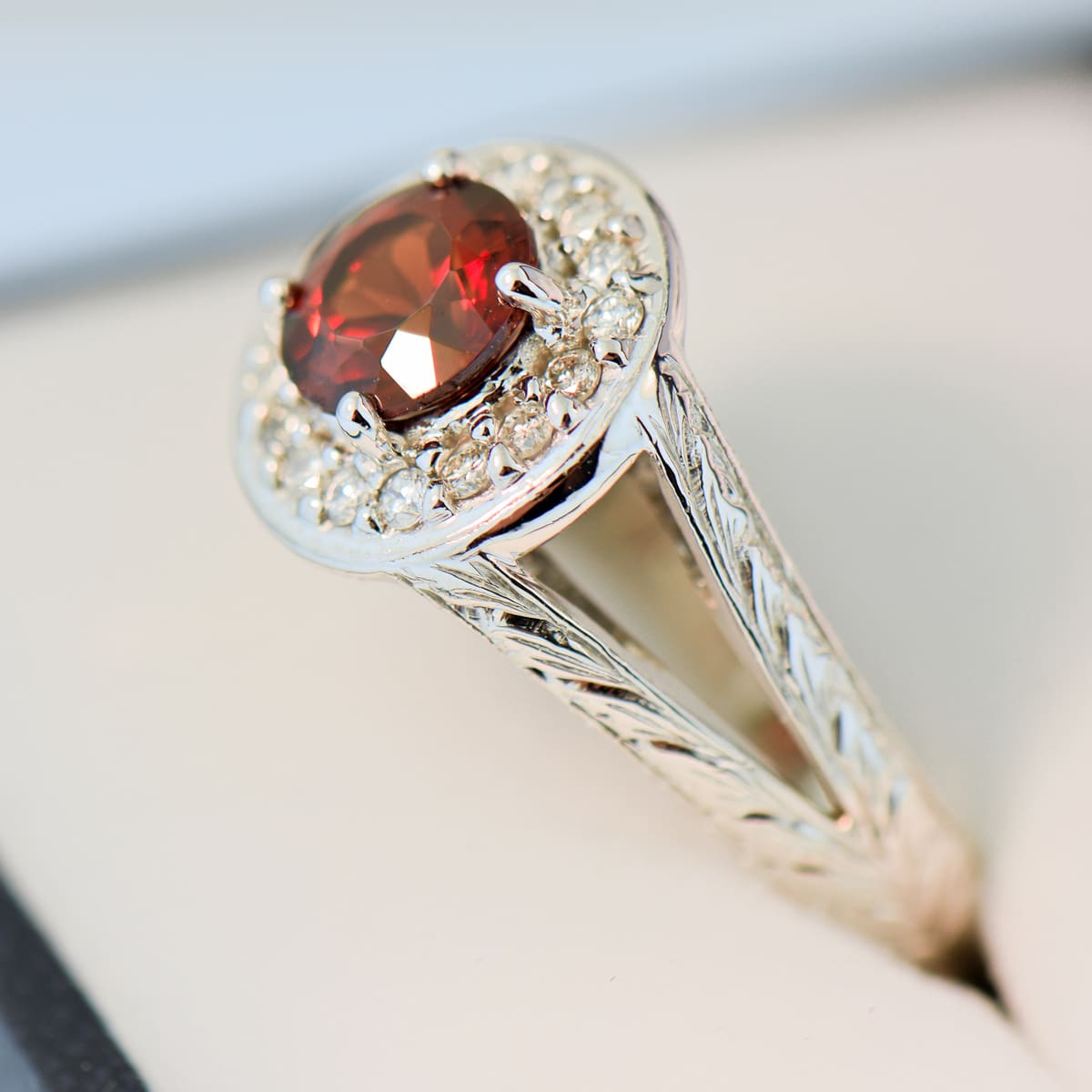
Garnet is a favorite gem family of many jewelers and collectors alike due to the beautiful array of colors and amazing dispersion it displays. It is durable enough for rings (6.5-7.5 on the Mohs scale) and some of the varieties mimic much pricier stones, such as Emerald and Ruby, making garnet very versatile in jewelry. Each member of the garnet family has similar attributes, with different nomenclature. For instance, Tsavorite garnet is a beautiful green color. This gem was discovered in Kenya in 1968, and since that time has been growing in popularity. Ranging from a minty lime green all the way to a dark kelly green, no other gem can rival its purity of color. Many people actually prefer a tsavorite to an emerald! Another green garnet is Demantoid, found in Africa and Russia, but due to its scarcity and high collectability it is rarely found on the marketplace. Garnet also comes in beautiful shades of orange. Both Spessartite, found in Germany, Nigeria and Namibia, and Hessonite, found in Brazil and Sri Lanka, are colored by manganese and iron. The manganese rich stones are 'fanta' orange, while iron rich stones are a beautiful cinnamon color. These stones are affordable in sizes from 1-5cts, making striking pieces of jewelry. One of our favorite varieties of garnet is Rhodolite, a rich red-purple color. Several of our favorite gem dealers find pieces in Sri Lanka that are the color of a Bing cherry, and we cannot get enough of them! Even more exciting are the rare mixed-breed garnets, such as Malaya (peachy pink,) Mali (yellow green) and Color Change, which mimicks Alexandrite. These are all rare stones that are amazing featured in custom jewelry. Beside the unique varieties mentioned, Garnet comes classically in shades of red. Whether from Arizona or Mozambique, these stones are affordable beauties that are sure to please. Featured above are: 1.05ct octagonal Tsavorite, 1.04ct Madagascar color change garnet (showing its red hue in incandescent light,) 1.48ct heart shape Tsavorite, 2.48ct oval Nigerian Spessartite, and 5.50ct 'Bing Cherry' Rhodolite cushion. Schedule an appointment to view our rare gemstones today!

Opal: Australian, Ethiopian and Mexican

2.05ct oval australian opal 3.81ct ethiopian opal 4.59ct fancy ethiopian opal magnificent black opal mexican opal in matrix

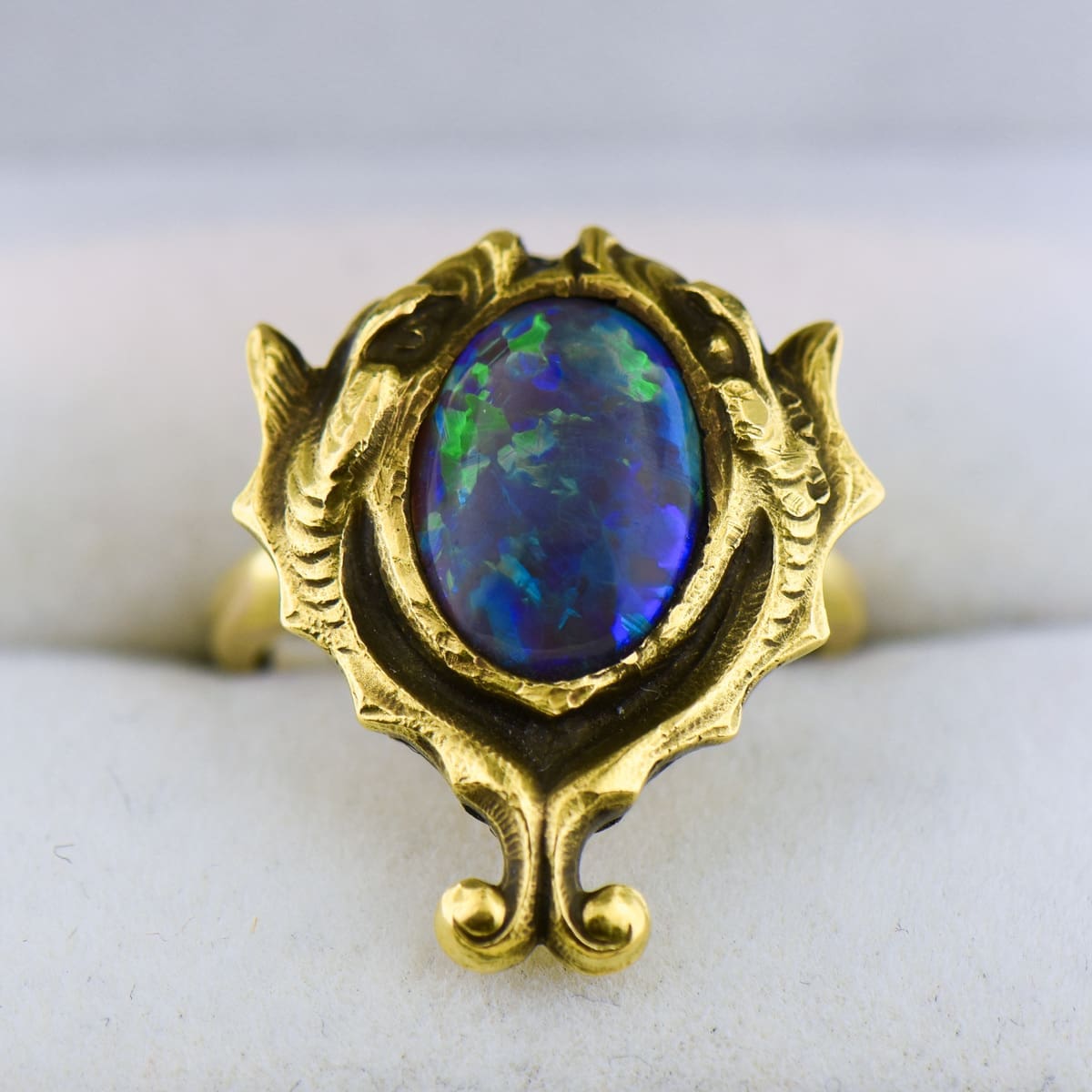
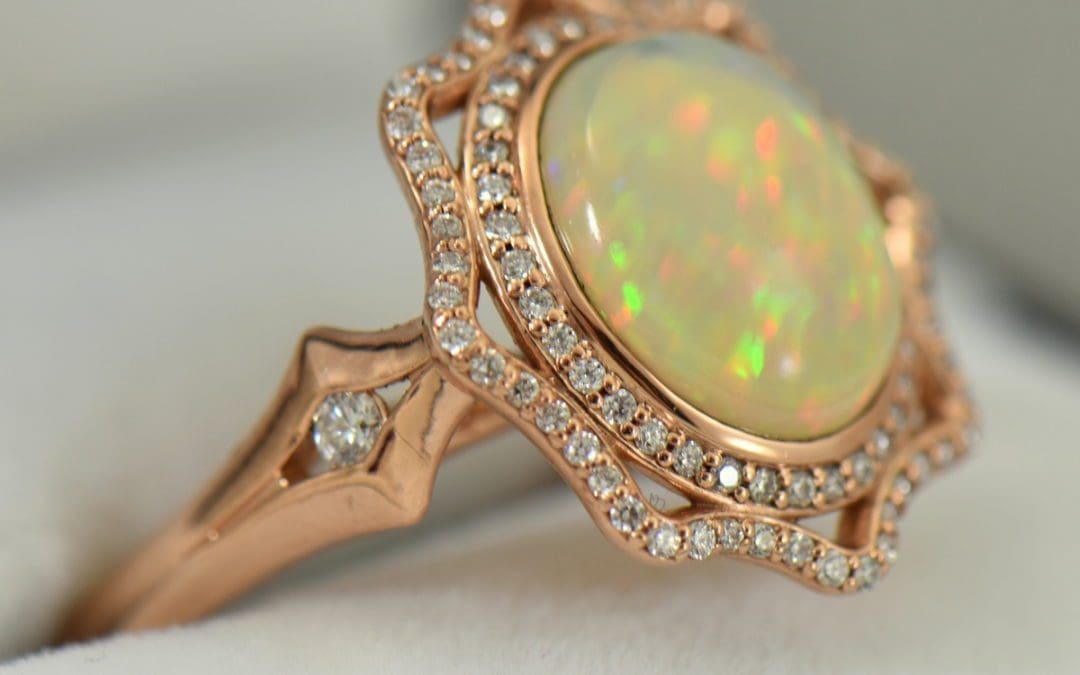
Opal, in fine quality, is one of the rarest stones on Earth and is definitely one of the most unique. The birthstone for October, Opal has been prized for centuries due to the fact that it appears to have a rainbow trapped within the stone. Although it is a little soft (6 on the Mohs scale), we use is abundantly in different types of jewelry. The most prized opal comes from Australia, particularly the Black and Boulder opal from Lightning Ridge and Cooper Pedy mines. These stones are unique in that they have a dark background, which makes the color play even more striking. The ideal stone has broad flashes of all colors, especially reds and oranges. Unfortunately, availability for these stones is at record lows, making opals from other regions more important. Fortunately, a new discovery of opal in Ethiopia is producing unbelievable crystal opals in all sizes. Some of these opals have brown base colors, others have white. Either color produces stones at prices one tenth of their Australian cousins. Along with the new Ethiopian find, both Brazil and Mexico continue to produce some traditional opals, along with unique orange and red faceted stones that make stunning jewelry. Featured above are a 2.5ct oval Australian opal, 4.5ct Ethiopian opal, large freeform Ethiopian opal, 4.1ct round Lightening Ridge black opal, and 6.4ct Mexican opal in matrix. Schedule an appointment to view our rare gemstones today!

Quartz: Amethyst and Citrine

10.73ct oval amethyst 2.10ct fancy light amethyst 2.25ct radiant amethyst 4.42ct oval buff top Dyer citrine 8.55ct fantasy cut amethyst

Quartz is one of the largest gem families on the planet, ranging from Agates to Amethyst. It is a hard gem, that naturally occurs in large, clean crystals throughout the world. The most prized variety is Amethyst. Once thought to ward against drunkenness, it is now the February birthstone and is commonly used in jewelry. The finest examples of Amethysts display dark purple with red and blue tones, and these are found in Uruguay, Siberia and Africa. Citrine is commonly used in place of Topaz, and ranges from straw yellow to a deep madeira color. Other gem varieties of quartz are Prasiolite, which is heat treated Amethyst which becomes green, a dark brown Smoky Quartz, and pink Rose Quartz. These gems occur throughout the world, and due to their availability they are often cut in very unique ways, such as carvings. These large, unique gems make one-of-a-kind jewelry affordable. Featured above are a 17.28ct oval Amethyst, 2.78ct fancy Amethyst, 2.02ct Radiant Amethyst, 6.5ct Dyer Oval Citrine, and 7.8ct carved bicolor quartz. Schedule an appointment to view our rare gemstones today!

Rare and Exotic

1.75ct tanzanian scapolite 1.97ct Dyer Pear Shape sphene 2.45ct cushion adalusite 2.50ct bicolor spanish sphalerite 4.43ct trillion danburite

We carry many gems that do not fit into the major gem families, or that are rarely seen in jewelry. For instance, we carry many examples of sphene and sphalerite. These two gems share a very high refractive index, that simply makes them glow and sparkle more than even the best diamonds. While they are too soft for rings, we have created beautiful earrings and pendants with these colorful gems. We also carry Amolite, the national gem of Canada. This is formed from fossilized Ammonite shells, then carved to display an incredible spectral array of colors. Another amazing gem we carry is Apatite, which occurs in every color of the rainbow. Some of the other exotic gems we carry are: scapolite, danburite, kornerupine, kyanite, andalusite, sinhalite, flourite, and iolite. Featured above are: 1.75ct pillow cut violet Scapolite, 2.0ct Dyer cut lime Sphene, 2.45ct cushion Andalusite, 3.5ct Spanish Sphalerite, and 4.43ct Mexican Danburite. Schedule an appointment to view our rare gemstones today!

Spinel

1.27ct pear burma neon red-pink spinel 1.56ct oval Burma red spinel 1.64ct oval ceylon cobalt spinel oval 2.37ct cushion pink spinel oval violet spinel

Spinel is an incredible natural gem that is prized by connoisseurs but often overlooked. For centuries, jewelers mistook red spinel for Ruby due to its similar color and hardness. With modern gemological advances, Spinel has been determined to be its own species which is actually rarer then its Ruby and Sapphire cousins. The most valuable color is red, ranging from a pure red to deep purple-reds and pinks. Secondarily, fine blue and lavendar shades are growing in popularity, especially as the demand for natural, untreated gems continues to rise. Top quality spinels are found in the same mines as Rubies in Burma. Shades other than red are found in Vietnam, Tajikistan, and Sri Lanka (which is the only source of the incredibly rare cobalt-blue and color-change spinels). A recent find in Tanzania is producing neon pinks and reds that rival Burmese stones and are making a global appearance in jewelry from top design firms and fine jewelry auctions. Featured above are: 1.04ct pear Burma red-pink spinel, 1.38ct oval Burma red spinel, 1.60ct oval cobalt spinel, 3.60ct pink spinel, and 2.60ct violet spinel from Sri Lanka. Schedule an appointment to view our rare gemstones today!

Tanzanite, Sunstone and Peridot

13.65ct trillion rambur tanzanite 4.29ct pear oregon sunstone 5.25cttw oval burmese peridot 9.87ct cab schiller sunstone dyer-peridot.jpg

While these gems are not related, they share the fact that they are the only faceted gems within their respective mineral families. Tanzanite is a member of the Zoisite group, which is found primarily in Africa and is 6.5 on the Mohs hardness scale. Tanzanite is a recently discovered gem that has gained instant fame as a beautiful and rare gem (it is the only stone other than Diamond to have its own grading system!). It ranges from a dark blue with violet accents all the way to a pastel violet shade, with darker tones being the most valued. It is a rare stone but available in all shapes and sizes for jewelry. Sunstone is a member of the Feldspar group, which also produces moonstone. It is the same hardness as Tanzanite and is also a one-source only gem. Sunstone occurs in shades of red, yellow and green and is found only in Oregon. It is colored by copper, which can produce unique inclusions called 'schiller.' It is also a rare gem that is collected by people who want American stones. The last gem in this group is Peridot, which is an ancient stone beloved by Egyptians and August babies alike. Most Peridot on the market is a light grass green with olive overtones, which is popular in jewelry due to moderate hardness and affordability. We like to expose people to good Peridot, which is a rich green with a yellow hue that makes it glow! Our best Peridot is found in Burma, Pakistan and Arizona, but the majority of gem material is from China. Featured above are: 13.65ct trillion AAA grade Tanzanite, 4.35ct Sunstone, 4cttw Burma peridot pair, 11.20ct Sunstone cabachon with 'schiller' and a 3.11ct Dyer cut Pakistani mint peridot. Schedule an appointment to view our rare gemstones today!

Topaz: Imperial and Multicolors

3.95ct trillion prescious topaz pair 9.33ct fantasy cut blue topaz 95ct-pear-pink-topaz.jpg

Topaz is a unique gem occurring naturally in beautiful shades of yellow, orange, pink, red and rarely blues and greens. For centuries, fine topaz adorned crown jewels across the world, with most of the stones mined in Germany and Brazil. Today, topaz is the birthstone for November, and is mined in various areas across the world, most importantly in Brazil and areas of Africa. Topaz is a bright and lively gem that is an 8 on the Mohs Hardness scale, making it ideal for all types of jewelry. We carry fine imperial topaz, shown below in shades of golden orange and peachy pink and the rare natural pink topaz as well. Most topaz seen on the market today in shades of blue, green and multicolor are not natural but are treated to become that color. These treated stones offer a beautiful, affordable alternative to some other pricier gems. Shown below, from left to right:1.25ct each trillion golden topaz, 4.58ct fancy cut treated blue topaz, .75ct each oval imperial topaz, 1.30ct each pear shape golden topaz and .95ct natural Brazilian pink topaz. Schedule an appointment to view our rare gemstones today!

Tourmaline: Cuprian, Dravite, Indicolite, Rubellite and Verdelite

1.25ct radiant yellow tourmaline 1.41ct cushion african rubellite 2.75ct pear indicolite 2.95ct radiant pink tourmaline 4.35ct dichroic green tourmaline

Tourmaline is one of the most diverse gem families on Earth. Ranging from blue to red to yellow and every color in between, including cat's eyes and color changers, this gem is truly amazing. Similarly to spinel, tourmaline was confused with Emeralds and Rubies before becoming recognized as its own gem family. Its hardness of 7.5 and availability in larger sizes makes it a crowd pleaser in the jewelry world. The most common varieties are dravite: brown to black tourmaline, and verdelite: light to dark green tourmaline. One variety of green tourmaline, colored by chromium, is quite rare and demands a premium price due to its similarity to Tsavorite and Emerald. Rubellite occurs in deep shades of red and pink, and was named due to its similarity to Ruby. The most prized stones are clear of inclusions and a true red, though pink stones are more popular among jewelry designers and are an affordable alternative to pink sapphire and spinel. The rarest color for tourmaline is a true blue, known as Indicolite. While blue-green gems are more common, true blue stones are rarely encountered. In the late 1980s copper bearing blue tourmalines were found in Brazil, named Paraiba tourmalines. These gems were immediately purchased by wise collectors and are now one of the most covetted gems known. Recent discoveries of Paraiba-like tourmaline (cuprian) in Africa have made these neon blue and green gems slightly more available on the market. Tourmaline is amazing in that it grows large crystals that may contain more than one color. These sometimes show red on one end, green on the other and are known as 'watermelon tourmalines' though other color splits are found. There is simply not enough time or space to describe every possible shade of color and combination of colors that can occur in the amazing tourmaline group. Featured above: 1.56ct radiant yellow tourmaline, 2.56ct cushion Rubellite, 4.56ct fancy Indicolite, radiant pink tourmaline and apx 5.0ct oval green tourmaline (or verdelite). Schedule an appointment to view our rare gemstones today!

Zircon

9.68ct cushion Dyer honey zircon.jpg 2.80ct oval colorchange cambodian zircon 3.10ct round rose zircon 3.13ct radiant blue zircon 4.46ct oval green zircon

Zircon is a natural gem, not to be confused with cubic zirconia, that occurs in many colors. Its double refraction and amazing sparkle make it the top diamond simulant in its colorless form. The most popular color of Zircon is blue and it was extremely popular in jewelry in the early part of the 20th century. It is known as 'starlight' and ranges from a light sky blue to a deep teal, and is found mainly in Cambodia. Another popular color is known as rose zircon. Once the birthstone for October, a lack of availability caused it to fade from frequent use in jewelry. New discoveries in East Africa are making the stone available again, and it ranges from a golden brown to a pinkish red color and is a favorite among women. Rarer shades of zircon include green and red, which occur naturally in Sri Lanka and other areas around the world. Green zircon is actually colored by radiation, and some examples are known to be slightly radioactive! Featured above: 9.58ct Dyer golden zircon, 2.40ct Burmese color change zircon, 2.40ct round rose zircon, 2.56ct radiant Cambodian blue zircon and 4.45ct oval green zircon. Schedule an appointment to view our rare gemstones today!

Buy/Sell Gold What's New Featured